Cottage Cheese Flatbread Recipe: A Proven High-Protein Bread You’ll Make Every Week
Cottage cheese flatbread is one of those surprisingly simple recipes that turns a handful of everyday ingredients into something genuinely satisfying. I started making cottage cheese flatbread on a tired weeknight when the flour bin was nearly empty, and it quickly became a weekly staple in my kitchen. This cottage cheese flatbread comes together in minutes, packs serious protein into every slice, and works as a wrap, pizza base, or dipping side. Whether you're new to high-protein cooking or just looking for a fresh take on homemade bread, this cottage cheese flatbread recipe gives you real results without the fuss.
Cottage Cheese Flatbread: The Story Behind My Favorite High-Protein Bread
I'm Sara Mitchell, and cottage cheese flatbread found its way into my kitchen the same way most of my favorite recipes do — through a happy kitchen accident. I came home one evening craving something warm and bread-like to pair with a pot of soup bubbling on the stove. The flour bin held barely a cup, and I'd already used the last of my sandwich bread at lunch. What I had was a half-full tub of cottage cheese, two eggs, and a stubborn refusal to let dinner fall apart. I blended everything together, spread it on a parchment-lined pan, and slid it into the oven while I stirred the soup and hoped for the best. Twenty minutes later, the kitchen smelled incredible, and when I pulled out that first sheet of cottage cheese flatbread — golden at the edges, soft in the center, and sturdy enough to fold in half — I laughed out loud. It felt like finding a shortcut I didn't know I needed. Since then, cottage cheese flatbread has become one of the recipes friends ask me for most, and honestly, it makes sense. It's the kind of recipe that fits real life: fast, flexible, and made from ingredients you already keep in your fridge. I've topped it with roasted vegetables, folded it around grilled chicken, and even used it as a quick pizza base on Friday nights when nobody wants to wait for delivery. If there's one thing my years in the kitchen have taught me, it's that the best recipes don't ask much from you — and this cottage cheese flatbread asks for almost nothing while giving back so much.
I'm Sara Mitchell, and cottage cheese flatbread became my go-to on a night when I was short on flour and short on patience. I blended cottage cheese with eggs, added a pinch of seasoning, spread the batter on a parchment-lined pan, and baked it while my soup finished on the stove. The result was golden, flexible, and protein-packed — better than anything I could have thrown together from an empty pantry. That accident turned into a weekly staple. Now I make it every time I want something homemade, fast, and satisfying. My kitchen rarely runs out of cottage cheese anymore.
What Makes Cottage Cheese Flatbread So Good for Everyday Cooking
Cottage cheese flatbread works so well because it flips the script on traditional bread. Instead of kneading dough and waiting for a rise, you blend the batter in under two minutes, pour it onto a sheet pan, and let the oven do the rest. The cottage cheese provides a creamy, protein-rich base that bakes into a soft, slightly chewy sheet, and the eggs give it enough structure to fold, roll, or slice without tearing. Because the flavor stays mild, cottage cheese flatbread suits both savory and sweet toppings, which makes it one of the most flexible things you can keep in your fridge after meal prep. If you love the kind of simple, satisfying cooking I share on kitchensara.com, this cottage cheese flatbread fits right alongside the easy comfort-forward recipes I turn to every week.
Why cottage cheese is the real hero in this recipe
Cottage cheese brings more to this flatbread than most people expect from a dairy product. A single cup of full-fat cottage cheese delivers roughly 25 grams of protein, which means your cottage cheese flatbread carries significantly more protein than a standard flour tortilla or slice of sandwich bread. Beyond protein, cottage cheese adds a gentle creaminess that helps the batter spread evenly across the pan and keeps the finished flatbread tender rather than rubbery. Full-fat varieties work best because the higher fat content helps the cottage cheese flatbread brown properly at the edges without drying out in the center, so always reach for 4% milkfat cottage cheese when you can. If you want to keep exploring high-protein recipes like this one, my Breakfast category is full of ideas that bring the same quick, nourishing approach to your morning table.
The simple ingredients that hold everything together
After cottage cheese, eggs, and seasonings, the ingredient that matters most for texture is a small binder like cornstarch, oat flour, or gluten-free flour. Just two tablespoons of oat flour or cornstarch absorbs the extra moisture that cottage cheese releases during baking, and that one step is the difference between a sturdy cottage cheese flatbread and a soggy, hard-to-peel sheet. Seasonings are where you make this recipe your own — garlic powder, Italian seasoning, and a pinch of salt give you a savory base that works for wraps and pizzas, while skipping the Italian seasoning gives you a neutral canvas for breakfast toppings or sweet spreads. The table below shows the core ingredients and what each one does in your cottage cheese flatbread:
Ingredient
Amount
Purpose in the Flatbread
Full-fat cottage cheese
1 cup (8 oz)
Protein base, creaminess, structure
Eggs
2 large
Binding, flexibility, hold
Oat flour or cornstarch
2 tablespoons
Absorbs moisture, prevents sogginess
Garlic powder
½ teaspoon
Savory flavor base
Italian seasoning
1 teaspoon
Herb flavor, pizza-style profile
Salt and pepper
To taste
Balances overall flavor
Baked, sliced, and ready to serve — your new favorite cottage cheese flatbread.
How to Make Cottage Cheese Flatbread Step by Step
Making cottage cheese flatbread at home takes less time than most people expect, and the method is forgiving enough for beginners. You start by preheating your oven to 350°F, then line a rimmed sheet pan with parchment paper and give the parchment a very light spray of cooking oil so the cottage cheese flatbread releases cleanly after it cools. Add your cottage cheese, eggs, oat flour or cornstarch, and all seasonings into a blender or food processor, then blend for about 45 seconds until the mixture turns completely smooth with no visible curds. Pouring a smooth, well-blended batter onto the pan is key — any remaining lumps of cottage cheese can create uneven spots that don't bake at the same rate. If you enjoy cooking from scratch on busy weeknights, my Dinner recipes are built around the same idea — real food, real fast, no unnecessary steps.
Getting the bake right so the flatbread stays sturdy
Once you pour the batter onto your parchment-lined pan, spread it into an even rectangle using a rubber spatula, keeping the thickness consistent at about a quarter inch so the edges don't overbrown before the center sets. Slide the pan into your preheated 350°F oven and bake for 30 to 35 minutes, watching for the top to look set and the edges to turn lightly golden. Pulling the cottage cheese flatbread too early is the most common mistake — if the center still looks glossy or jiggles when you nudge the pan, give it five more minutes. After baking, let the flatbread cool on the pan for a full 10 minutes before touching it, because that rest allows steam to escape and firms the texture so it peels away from the parchment cleanly without tearing. For anyone who enjoys pairing bread with a warm bowl of something cozy, my Soups category has exactly the kind of simple, satisfying recipes that go beautifully alongside a warm sheet of this flatbread.
Tips to keep your cottage cheese flatbread from turning soggy
Sogginess in cottage cheese flatbread almost always comes from two sources: excess moisture in the cottage cheese and a layer of batter that's too thick. To address the first issue, choose a full-fat cottage cheese and drain any excess liquid from the container before blending, especially if you see standing water at the top when you open the tub. To address thickness, spread the batter in a thin, even layer no more than a quarter inch deep — a thicker layer traps steam in the center and prevents the flatbread from fully drying out during baking. A third helpful trick is to let the cottage cheese flatbread sit uncovered at room temperature for a few minutes after it comes off the pan, which allows any remaining moisture to evaporate before you add toppings or fold it into a wrap.
Is Cottage Cheese Flatbread Healthy? Nutrition, Calories, and Real Benefits
Yes, cottage cheese flatbread is genuinely healthy, and the numbers back that up. A standard serving made with one cup of full-fat cottage cheese and two eggs delivers roughly 150 to 200 calories per serving depending on add-ins, along with 20 to 30 grams of protein that keeps you full far longer than traditional flour-based flatbread or tortillas. Because cottage cheese flatbread contains no added sugars, minimal carbohydrates — typically under 6 grams per serving without a flour binder — and a strong protein-to-calorie ratio, it fits comfortably into high-protein, low-carb, and gluten-free eating patterns. That kind of flexibility is exactly why home cooks continue to reach for this recipe as a practical everyday alternative to store-bought bread and wraps. If you want more ideas that bring the same nourishing mindset to your plate, take a look at my Lunch recipes for quick, protein-forward meals that pair perfectly with cottage cheese flatbread as a wrap base.
How cottage cheese flatbread compares to regular bread nutritionally
The nutritional gap between cottage cheese flatbread and a standard slice of white sandwich bread is significant, and the comparison below makes it easy to see why so many home cooks have made the switch:
Nutrition Per Serving
Cottage Cheese Flatbread
White Sandwich Bread (2 slices)
Calories
~170
~160
Protein
~25g
~6g
Total Carbohydrates
~5–6g
~30g
Total Fat
~10g
~2g
Gluten-Free
Yes (without flour binder)
No
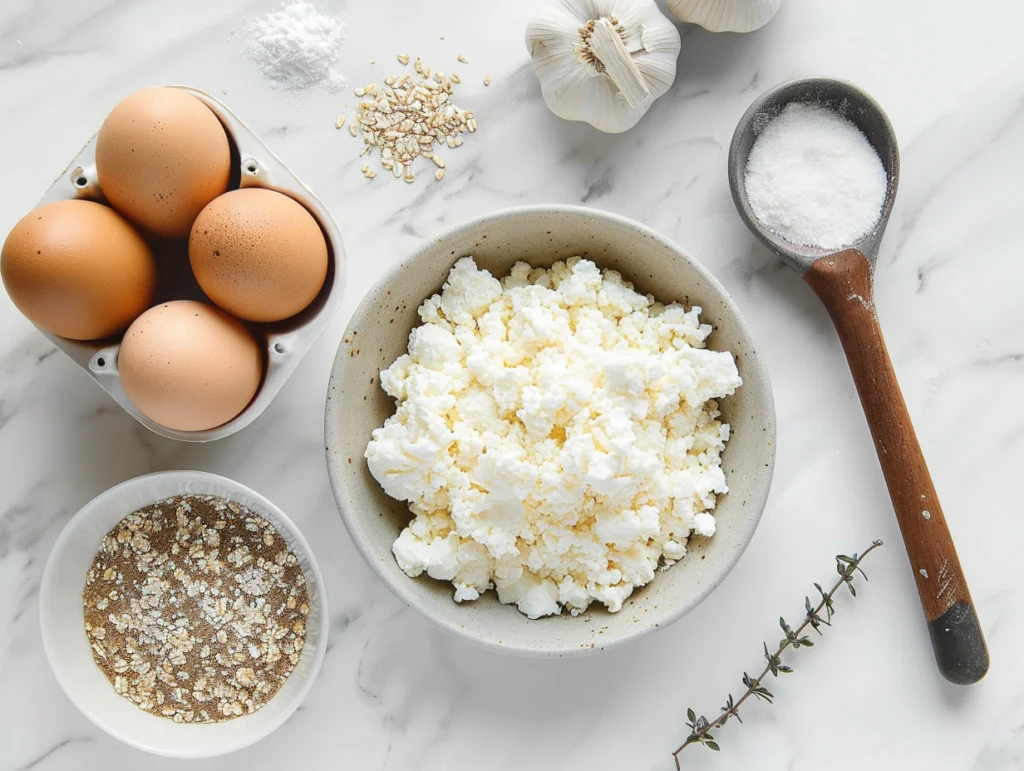
verything you need for cottage cheese flatbread — simple fridge staples, big results.
Creative ways to serve cottage cheese flatbread
Beyond its nutrition, cottage cheese flatbread adapts to almost any meal. You can use it as a wrap for grilled chicken, crunchy romaine, and a drizzle of tahini; slice it into strips for dipping into hummus, roasted red pepper dip, or a simple bowl of soup; or fold it around scrambled eggs and sautéed vegetables for a protein-packed breakfast. For pizza night, spread a thin layer of marinara or pizza sauce across your cottage cheese flatbread, scatter shredded mozzarella and your favorite toppings, and return it to a 400°F oven for four to five minutes until the cheese melts and bubbles — the result is a personal pizza that clocks in at around 40 grams of protein per serving. If the pizza-night direction speaks to you, my Cheesy Vegan Pizza Beans Recipe gives you another quick, satisfying pizza-style dinner that comes together in about 30 minutes.
Cottage Cheese Flatbread Variations and Smart Substitutions
One of the best things about cottage cheese flatbread is how well it takes to variations. You can swap the Italian seasoning for smoked paprika and cumin to create a Tex-Mex version that pairs with black beans and avocado, or keep it completely plain and top it with almond butter and sliced banana for a sweet, post-workout snack. If you want to add extra protein and a salty, savory layer, stir two to three tablespoons of grated Parmesan into the batter before blending — this small addition makes the cottage cheese flatbread taste like it came from a café rather than a five-minute blender session. Cottage cheese flatbread also adapts well to different binders depending on what you keep in your pantry — cornstarch gives the cleanest, most neutral flavor, oat flour adds a mild nuttiness, chickpea flour adds extra protein, and self-rising flour creates a fluffier, slightly thicker flatbread that works beautifully for dipping. For more inspiration that plays with bold flavors and smart, flexible ingredients, my Spicy Chipotle Shrimp Tacos with Avocado Lime Slaw shows exactly how a handful of pantry staples can transform a weeknight dinner.
Can you make cottage cheese flatbread without eggs?
Yes, you can make a version of cottage cheese flatbread without eggs, though the texture changes noticeably. Eggs act as the primary binder in the standard recipe, and without them the flatbread tends to be softer, more fragile, and less flexible. To replace the eggs, try two tablespoons of ground flaxseed mixed with six tablespoons of water and allowed to sit for five minutes until gel-like, or use two tablespoons of thick Greek yogurt mixed with a teaspoon of baking powder for a little lift. These swaps work best when you add a slightly larger amount of your flour binder — three tablespoons instead of two — to compensate for the missing structure the eggs would normally provide.
How to store and reheat cottage cheese flatbread
Cottage cheese flatbread stores well in the refrigerator for up to three days in an airtight container or zip-lock bag. To keep it from sticking to itself, place a small square of parchment paper between each piece. When you're ready to eat, reheat the cottage cheese flatbread in a dry skillet over medium heat for about two minutes per side — this method restores the slight crispness at the edges and makes the flatbread flexible enough to fold again without cracking. You can also reheat it in a toaster oven at 350°F for three to four minutes, but avoid the microwave if possible, because microwaving tends to make cottage cheese flatbread rubbery and soft rather than warm and pliable. If batch cooking and smart storage are part of how you plan your week, you'll find the same practical approach in my Simple But Perfect Vegetable Soup Recipe, which keeps just as well in the fridge and pairs beautifully with strips of this flatbread on the side.
Frequently Asked Questions
Is cottage cheese flatbread healthy? Yes. Cottage cheese flatbread delivers roughly 25 grams of protein per serving, contains minimal carbohydrates compared to standard bread, and provides calcium and B vitamins from the cottage cheese. It fits well into high-protein, low-carb, and gluten-free diets, and its simple ingredient list means no preservatives or additives.
How do you keep cottage cheese flatbread from being soggy? The key to avoiding sogginess in cottage cheese flatbread is to drain any standing liquid from your cottage cheese before blending, use a thin and even layer of batter no more than a quarter inch deep, bake it fully until the edges are golden and the center feels set to the touch, and let it cool uncovered for at least 10 minutes after baking so steam can escape before you add toppings or fillings. Adding two tablespoons of a dry binder like cornstarch or oat flour also draws out excess moisture during baking.
Can I make cottage cheese flatbread without eggs? Yes, you can make cottage cheese flatbread without eggs by using a flax egg — one tablespoon of ground flaxseed mixed with three tablespoons of water per egg, left for five minutes to thicken — or by using two tablespoons of thick Greek yogurt combined with a teaspoon of baking powder. The egg-free version will be softer and more fragile, so handle it gently and add an extra tablespoon of your flour binder to help it hold together.
How many calories are in cottage cheese flatbread? A standard cottage cheese flatbread made with one cup of full-fat cottage cheese and two eggs yields roughly 340 to 380 calories for the entire sheet, which works out to approximately 170 to 190 calories per half-sheet serving. Adding Parmesan cheese to the batter adds about 40 to 60 extra calories. These numbers can vary based on the brand of cottage cheese you use and whether you include additional mix-ins.
Can I use cottage cheese flatbread as a pizza base? Absolutely. Cottage cheese flatbread makes an outstanding pizza base because its mild flavor pairs well with tomato sauce, pesto, or olive oil, and its sturdy structure holds toppings without becoming soggy in the center. For the best pizza results, bake the cottage cheese flatbread base first at 350°F until fully set, then add your sauce and toppings and return it to a 400°F oven for four to five minutes until the cheese melts and bubbles. This two-stage baking method gives you a crispier, more stable base than adding toppings to an unbaked batter.
Conclusion
Cottage cheese flatbread proves that a few simple ingredients and a single sheet pan can give you something genuinely satisfying to eat every day of the week. Whether you fold it into wraps, use it as a pizza base, slice it for dipping, or eat it warm from the oven with a little avocado and sea salt, this cottage cheese flatbread recipe fits real home cooking in the best possible way. Try it once this week, and it will very likely find a permanent spot in your regular meal rotation.
This cottage cheese flatbread is a quick, protein-packed alternative to traditional bread that uses only cottage cheese, eggs, and a handful of pantry staples. It bakes into a soft, flexible sheet that works beautifully as a wrap, pizza base, or dipping side. With over 25 grams of protein per serving and minimal carbohydrates, it's one of the most practical high-protein recipes you can keep in your weekly rotation.
Ingredients
1cup full-fat cottage cheese (4% milkfat) (drained of any standing liquid)
2 large eggs (room temperature)
2tablespoons oat flour or cornstarch (for moisture control)
1teaspoon Italian seasoning
½teaspoon garlic powder
¼teaspoon salt (or to taste)
⅛teaspoon black pepper
2–3tablespoons grated Parmesan cheese (optional, for extra savory flavor)
Instructions
1
Preheat your oven to 350°F (175°C). Line a rimmed baking sheet with parchment paper and lightly spray the parchment with cooking oil.
2
Add the cottage cheese, eggs, oat flour or cornstarch, Italian seasoning, garlic powder, salt, and pepper into a blender or food processor. Blend for about 45 seconds until completely smooth with no visible curds.
3
Pour the batter onto the prepared baking sheet and spread it into an even rectangle using a rubber spatula. Keep the thickness at about a quarter inch throughout so it bakes evenly.
4
Slide the pan into the preheated oven and bake for 30 to 35 minutes, until the edges turn lightly golden and the center feels set and no longer glossy when you touch it gently.
5
Remove the pan from the oven and let the cottage cheese flatbread cool on the pan for 10 minutes. This rest allows steam to escape and firms the texture before you try to move it.
6
Carefully peel back the parchment from the edges and slide the flatbread onto a cutting board. Slice into halves, strips, or squares depending on how you plan to serve it.
7
Serve immediately as a wrap, pizza base, or alongside dips. Store leftovers in an airtight container in the refrigerator for up to 3 days.
Nutrition Facts
Servings 2
Serving Size 1/2 flatbread sheet
Amount Per Serving
% Daily Value *
Total Fat10g16%
Saturated Fat4g20%
Cholesterol210mg70%
Sodium420mg18%
Potassium180mg6%
Total Carbohydrate6g2%
Sugars3g
Protein25g50%
Vitamin A 8 IU
Calcium 15 mg
Iron 4 mg
* Percent Daily Values are based on a 2,000 calorie diet. Your daily value may be higher or lower depending on your calorie needs.
Note
For the crispiest edges, bake on the middle rack and avoid opening the oven door during the first 25 minutes. If your cottage cheese flatbread comes out too soft, drain the cottage cheese more thoroughly before blending and try adding an extra tablespoon of oat flour. To reheat, place flatbread in a dry skillet over medium heat for 2 minutes per side — this restores flexibility and slight crispness better than a microwave.
Pin this recipe to share with your friends and followers.
Christopher Nolan
Food and Lifestyle Blogger
Hi, I'm Samantha, a full-time food blogger, mother of 2 beautiful daughters and a lovely wife. I live in New Jersey with my family. Loves traveling, sharing new recipes, and spending time with my family.