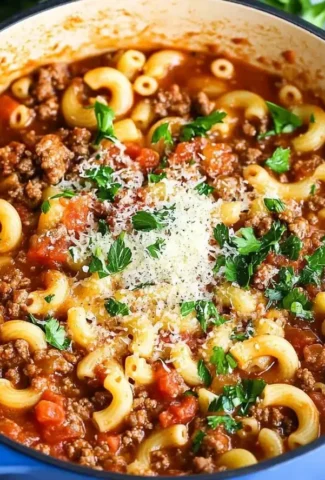
“`html
Table of Contents
- Introduction: Eating Well on a Shoestring Budget
- Affordable & Nutritious Ingredients
- Meal Prep Timing & Efficiency
- Step-by-Step Poverty Meal Plan Guide
- Nutritional Snapshot
- Healthier Swaps, Big Flavor
- Serving Suggestions for Every Meal
- Common Mistakes to Avoid
- Smart Storing for Maximum Freshness
- Embracing a Nutritious & Affordable Future
- Frequently Asked Questions
Affordable and Nutritious Poverty Meal Plan for Every Family
Introduction: Eating Well on a Shoestring Budget
Are rising food costs making it difficult to provide nutritious meals for your family? In today’s economic climate, many households are grappling with the challenge of stretching their grocery budgets while ensuring everyone gets the nutrients they need. It’s a common concern, with over 38 million people in the U.S. facing food insecurity at some point during the year, according to Feeding America. But what if you could create a delicious, balanced, and budget-friendly meal plan that nourishes your family without breaking the bank? This guide is designed to empower you with practical strategies and ideas for an affordable and nutritious poverty meal plan, proving that healthy eating can be accessible to everyone.
Affordable & Nutritious Ingredients
Building a budget-friendly meal plan starts with smart ingredient choices. Focus on versatile, cost-effective items that offer maximum nutritional value. Here’s a breakdown of essentials:
Pantry Staples
- Rice (Brown or White): Incredibly versatile and filling. Brown rice offers more fiber. Substitution: Quinoa (can be pricier but offers complete protein), pasta.
- Beans and Lentils (Dried or Canned): Excellent sources of protein and fiber, making them a cornerstone of budget meals. Dried are cheaper but require soaking. Substitution: Chickpeas, black beans, kidney beans, split peas.
- Oats: Cheap, filling, and great for breakfast or even as a binder in recipes. Substitution: Cornmeal for polenta, other whole grains.
- Flour (All-Purpose or Whole Wheat): For baking breads, pancakes, or thickening sauces. Substitution: Cornstarch, arrowroot.
- Potatoes: Filling, versatile, and packed with potassium. Substitution: Sweet potatoes (higher in Vitamin A), other root vegetables.
Budget-Friendly Produce
- Seasonal Vegetables: Always buy what’s in season – it’s cheaper and fresher. Look for carrots, onions, cabbage, and frozen greens. Sensory Note: Crisp carrots, pungent onions, earthy cabbage.
- Frozen Vegetables: Often as nutritious as fresh but last longer and are more affordable. Peas, corn, spinach, and mixed vegetables are great. Sensory Note: Sweet peas, vibrant corn kernels, tender spinach.
- Less Perishable Fruits: Apples and bananas are usually budget-friendly and provide essential vitamins. Sensory Note: Sweet, slightly tart apples; soft, sweet bananas.
Affordable Protein Sources
- Eggs: A complete protein powerhouse, incredibly versatile for any meal. Sensory Note: Creamy yolks, tender whites.
- Canned Tuna/Sardines: Affordable sources of omega-3s and protein. Sensory Note: Salty, flaky tuna; rich, oily sardines.
- Chicken Thighs/Legs: Often cheaper than breast meat and more flavorful. Sensory Note: Tender, juicy meat.
- Ground Meat (Turkey/Beef): Buy in bulk when on sale and freeze portions. Sensory Note: Savory, crumbly texture.
Flavor Boosters
- Onions and Garlic: The foundation of flavor for countless dishes. Sensory Note: Pungent, aromatic.
- Herbs and Spices: A little goes a long way! Stock up on basics like salt, pepper, cumin, paprika, and chili powder. Dried herbs are cost-effective. Sensory Note: Aromatic, earthy, zesty, warm notes.
- Broth/Bouillon Cubes: Adds depth to soups, stews, and rice dishes. Substitution: Water with extra spices.
Meal Prep Timing & Efficiency
This meal plan prioritizes efficiency. Instead of cooking individual meals daily, dedicating a few hours once a week for planning, shopping, and batch cooking can save immense time and effort throughout the week. This approach minimizes decision fatigue and ensures wholesome meals are always on hand, often taking less total time than preparing a separate meal each day.
Step-by-Step Poverty Meal Plan Guide
Step 1: Plan Your Weekly Menu
Sit down once a week (e.g., Sunday morning) and plan out breakfast, lunch, and dinner for the upcoming days. Base your meals around the affordable ingredients you have or can easily purchase. Think about versatile components that can be used in different ways. For example, a pot of cooked beans can be chili one night, a side dish the next, and part of a salad later in the week.
Step 2: Create a Smart Grocery List
Once your menu is set, create a detailed grocery list. Stick to it at the store to avoid impulse buys. Check your pantry and fridge first to see what you already have. Prioritize non-perishables with long shelf lives and items that are on sale.
Step 3: Embrace Batch Cooking
Dedicate a block of time (e.g., Sunday afternoon) to cook foundational elements. This could include:
- Cooking a large batch of rice or quinoa.
- Boiling dried beans or lentils.
- Roasting a pan of vegetables.
- Cooking a large pot of soup or stew.
- Pre-cooking grains like oats for quick breakfasts.
Having these ready-to-go components makes assembling meals throughout the week incredibly fast and easy.
Step 4: Utilize Leftovers Creatively
Transform leftovers into new meals. Leftover roasted chicken can become chicken salad sandwiches, filling for tacos, or added to a soup. Leftover rice can be fried rice. Leftover vegetables can be added to omelets or frittatas. This prevents food waste and saves time.
Step 5: Minimize Food Waste
Store food properly to maximize its lifespan. Use vegetable scraps to make broth. Freeze any excess that you won’t use within a few days. Be mindful of expiration dates and plan meals accordingly.
Nutritional Snapshot
A well-planned poverty meal plan doesn’t mean sacrificing nutrition. By focusing on whole grains, legumes, lean proteins, and seasonal produce, you can achieve a balanced intake:
- Protein: Essential for building and repairing tissues. Sources: beans, lentils, eggs, lean meats.
- Carbohydrates: Provide energy. Opt for complex carbs like whole grains and vegetables for sustained energy and fiber.
- Healthy Fats: Important for hormone production and nutrient absorption. Found in small amounts in eggs, nuts (if budget allows), and seeds.
- Vitamins & Minerals: Abundant in fruits, vegetables, and whole grains.
- Fiber: Crucial for digestive health, found in beans, lentils, whole grains, and vegetables.
While exact nutritional values vary per meal, a diet rich in these components supports overall health and well-being.
Healthier Swaps, Big Flavor
Sometimes, even budget ingredients can be made healthier without a significant cost increase. Focus on preserving flavor while boosting nutrition:
- Instead of White Bread/Rice: Choose whole wheat bread or brown rice when possible. Many stores offer budget brands. If not, use white rice and boost nutrients with added beans or vegetables.
- Reduce Sodium: Opt for low-sodium canned goods when available. Rinse regular canned beans and vegetables thoroughly to remove excess salt. Use herbs and spices generously instead of salt for flavor.
- Boost Veggies: Add extra onions, carrots, or frozen spinach to soups, stews, and casseroles. Even a small addition boosts nutrient density.
- Leaner Proteins: If chicken thighs are too fatty for your liking, trim visible fat before cooking. If ground meat is on sale, choose a leaner percentage if the price difference is minimal.
Serving Suggestions for Every Meal
Make your budget meals exciting and satisfying:
- Breakfast: Hearty oatmeal topped with a sliced banana, or scrambled eggs with a side of toast.
- Lunch: Lentil soup with a small piece of bread, or a hearty bean salad with chopped vegetables.
- Dinner: Rice and beans with a side of steamed frozen vegetables, or a simple chicken and vegetable stew.
- Snacks: An apple, a banana, or a small handful of peanuts (if affordable).
Common Mistakes to Avoid
- Overbuying Perishables: Buying too much fresh produce that spoils before it can be used.
- Impulse Purchases: Deviating from your grocery list and buying items you don’t need.
- Ignoring Sales & Coupons: Missing out on potential savings by not paying attention to weekly flyers or available coupons.
- Lack of Planning: Not having a meal plan, leading to last-minute (and often more expensive) food choices.
- Food Waste: Throwing away leftovers or produce that is still good.
Smart Storing for Maximum Freshness
Proper storage is key to extending the life of your groceries and minimizing waste:
- Root Vegetables: Store potatoes, onions, and carrots in a cool, dark, and dry place (like a pantry or cellar). Don’t store onions and potatoes together, as onions release gases that can make potatoes sprout faster.
- Cooked Foods: Store leftover cooked meals in airtight containers in the refrigerator for up to 3-4 days.
- Fruits: Store bananas at room temperature. Apples can be stored in the refrigerator crisper drawer.
- Opened Cans: Transfer any unused portion of canned goods to an airtight container before refrigerating.
- Freezing: Freeze excess cooked grains, beans, soups, and stews in portion-sized containers or freezer bags for quick meals later.

Embracing a Nutritious & Affordable Future
Creating an affordable and nutritious poverty meal plan is not about deprivation; it’s about resourcefulness and smart planning. By focusing on budget-friendly staples, seasonal produce, and strategic cooking techniques, you can provide healthy, satisfying meals for your family without financial strain. This approach empowers you to take control of your nutrition and your budget, proving that healthy eating is achievable for everyone. Start small, adapt these strategies to your family’s preferences, and enjoy the delicious rewards of mindful meal planning!
Frequently Asked Questions
***Is it possible to eat healthy on a very tight budget?***
Absolutely! By prioritizing whole grains, legumes, seasonal vegetables, and affordable protein sources like eggs and chicken thighs, you can create nutritious meals without spending a lot. Planning your meals and shopping strategically are key.
***What are the cheapest protein sources?***
Dried beans and lentils are incredibly cheap and versatile. Eggs are also an excellent budget-friendly, high-quality protein source. Canned fish like tuna or sardines, and cheaper cuts of chicken (like thighs and legs) or ground meat when on sale, are also good options.
***How can I make budget meals taste good?***
Don’t underestimate the power of aromatics like onions and garlic, and a well-stocked spice rack! Herbs, spices, and using flavorful bases like broth or a good mirepoix (onions, carrots, celery) can elevate simple ingredients significantly. Simple cooking methods like roasting can also enhance natural flavors.
***What if I don’t have much time to cook?***
Batch cooking is your best friend! Dedicate a few hours on the weekend to prepare large quantities of staples like rice, beans, roasted vegetables, or a big pot of soup. This makes assembling quick meals during the week much easier.
***How can I reduce food waste when on a budget?***
Proper storage is crucial. Use airtight containers, freeze what you won’t use immediately, and get creative with leftovers. Even vegetable scraps can be used to make homemade broth. Planning meals around what you already have can also prevent waste.
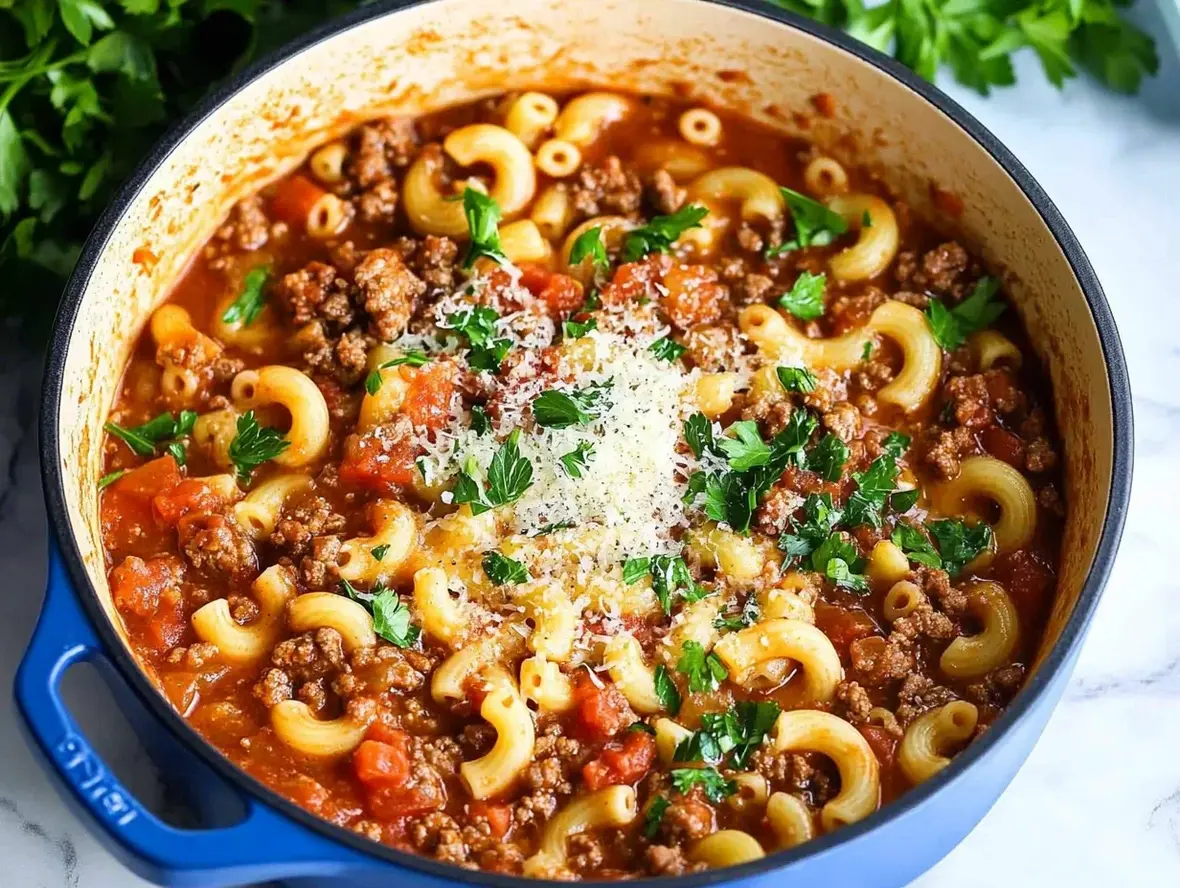
Easy 20-Minute Poverty Meal

This simple, budget-friendly one-pot dish is perfect for busy nights or when you’re watching your wallet. It’s hearty, comforting, and comes together with just 10 ingredients in only 20 minutes!
Ingredients
- 1 cuponion, chopped2garlic cloves, minced1lb lean ground beef2(15 oz) cans stewed tomatoes (with juice)1(15 oz) can water1 tspdried parsley1 tspdried oregano½ tspred pepper flakes½ tspsaltFreshly ground black pepper, to taste8 ozelbow macaroniFreshly grated Parmesan cheese, for serving
- 2garlic cloves, minced1lb lean ground beef2(15 oz) cans stewed tomatoes (with juice)1(15 oz) can water1 tspdried parsley1 tspdried oregano½ tspred pepper flakes½ tspsaltFreshly ground black pepper, to taste8 ozelbow macaroniFreshly grated Parmesan cheese, for serving
- 1lb lean ground beef2(15 oz) cans stewed tomatoes (with juice)1(15 oz) can water1 tspdried parsley1 tspdried oregano½ tspred pepper flakes½ tspsaltFreshly ground black pepper, to taste8 ozelbow macaroniFreshly grated Parmesan cheese, for serving
- 2(15 oz) cans stewed tomatoes (with juice)1(15 oz) can water1 tspdried parsley1 tspdried oregano½ tspred pepper flakes½ tspsaltFreshly ground black pepper, to taste8 ozelbow macaroniFreshly grated Parmesan cheese, for serving
- 1(15 oz) can water1 tspdried parsley1 tspdried oregano½ tspred pepper flakes½ tspsaltFreshly ground black pepper, to taste8 ozelbow macaroniFreshly grated Parmesan cheese, for serving
- 1 tspdried parsley1 tspdried oregano½ tspred pepper flakes½ tspsaltFreshly ground black pepper, to taste8 ozelbow macaroniFreshly grated Parmesan cheese, for serving
- 1 tspdried oregano½ tspred pepper flakes½ tspsaltFreshly ground black pepper, to taste8 ozelbow macaroniFreshly grated Parmesan cheese, for serving
- ½ tspred pepper flakes½ tspsaltFreshly ground black pepper, to taste8 ozelbow macaroniFreshly grated Parmesan cheese, for serving
- ½ tspsaltFreshly ground black pepper, to taste8 ozelbow macaroniFreshly grated Parmesan cheese, for serving
- Freshly ground black pepper, to taste8 ozelbow macaroniFreshly grated Parmesan cheese, for serving
- 8 ozelbow macaroniFreshly grated Parmesan cheese, for serving
- Freshly grated Parmesan cheese, for serving
Instructions
- 1️⃣Cook the beef and aromatics: In a large skillet over medium-high heat, add the ground beef, chopped onion, and minced garlic. Cook for 5-7 minutes, stirring frequently, until the beef is browned and the onion is translucent. Drain any excess fat if needed.2️⃣Add liquids and seasonings: Stir in the stewed tomatoes (with their juice), 1 can of water, dried parsley, dried oregano, red pepper flakes, salt, and freshly ground black pepper. Mix everything well.3️⃣Incorporate the pasta: Bring the mixture to a boil, then add the elbow macaroni. Reduce the heat to low, cover the skillet, and let it simmer for about 15 minutes, stirring occasionally to prevent the pasta from sticking to the bottom of the pan.4️⃣Serve: Once the pasta is tender and the flavors are melded, remove the skillet from heat. Serve hot, topped with freshly grated Parmesan cheese. Adjust seasoning with additional salt or pepper if needed.
- 2️⃣Add liquids and seasonings: Stir in the stewed tomatoes (with their juice), 1 can of water, dried parsley, dried oregano, red pepper flakes, salt, and freshly ground black pepper. Mix everything well.3️⃣Incorporate the pasta: Bring the mixture to a boil, then add the elbow macaroni. Reduce the heat to low, cover the skillet, and let it simmer for about 15 minutes, stirring occasionally to prevent the pasta from sticking to the bottom of the pan.4️⃣Serve: Once the pasta is tender and the flavors are melded, remove the skillet from heat. Serve hot, topped with freshly grated Parmesan cheese. Adjust seasoning with additional salt or pepper if needed.
- 3️⃣Incorporate the pasta: Bring the mixture to a boil, then add the elbow macaroni. Reduce the heat to low, cover the skillet, and let it simmer for about 15 minutes, stirring occasionally to prevent the pasta from sticking to the bottom of the pan.
- 4️⃣Serve: Once the pasta is tender and the flavors are melded, remove the skillet from heat. Serve hot, topped with freshly grated Parmesan cheese. Adjust seasoning with additional salt or pepper if needed.
Notes
Stretch it further: Add a can of beans (such as kidney or black beans) or frozen vegetables like peas or corn for extra nutrition and servings.Swap it up: Use ground turkey, chicken, or a plant-based ground meat alternative to fit dietary preferences.Storage: Store leftovers in an airtight container in the refrigerator for up to 3 days. Reheat gently on the stovetop or microwave.Cheesy upgrade: Stir in shredded cheddar or mozzarella for an extra cheesy kick.
Swap it up: Use ground turkey, chicken, or a plant-based ground meat alternative to fit dietary preferences.Storage: Store leftovers in an airtight container in the refrigerator for up to 3 days. Reheat gently on the stovetop or microwave.Cheesy upgrade: Stir in shredded cheddar or mozzarella for an extra cheesy kick.
Storage: Store leftovers in an airtight container in the refrigerator for up to 3 days. Reheat gently on the stovetop or microwave.Cheesy upgrade: Stir in shredded cheddar or mozzarella for an extra cheesy kick.
Cheesy upgrade: Stir in shredded cheddar or mozzarella for an extra cheesy kick.
“`
Leave a Reply