
“`html
Table of Contents
- Introduction
- Authentic German Meatballs Ingredients
- Timing is Everything
- Crafting Your Authentic German Meatballs
- Nutritional Snapshot
- Embrace a Lighter Bite: Healthier Alternatives
- Serving Suggestions: Elevate Your Meal
- Navigating the Pitfalls: Common Mistakes to Avoid
- Storing Your Savory Creations
- Frequently Asked Questions
Authentic German Meatballs Recipe – Easy & Delicious
Introduction: Craving Comfort Food?
Are you looking for a deeply satisfying, flavor-packed meal that harks back to traditional European kitchens? German meatballs, or Königsberger Klopse (though we’re making a simpler, everyday version here), are a beloved classic for a reason. They offer a comforting embrace of savory meat, tender texture, and a delightful aroma that fills the home. This authentic German meatballs recipe breaks down the process into simple, achievable steps, ensuring that even novice cooks can create a dish that sings with robust flavors and offers a true taste of Germany.
Authentic German Meatballs Ingredients
The magic of these meatballs lies in their foundational ingredients and aromatic additions. We aim for a blend of richness and tenderness.
Meat and Binders
- 1 lb Ground Beef (80/20): The backbone of our meatballs, providing rich flavor and a tender texture. A good fat content is key for moisture.
- 1/2 lb Ground Pork: Adds another layer of savory depth and contributes to a desirable, succulent mouthfeel. (Substitute with more beef or veal if pork is unavailable.)
- 2 slices Stale White Bread (crusts removed): Or equivalent of breadcrumbs. This is crucial for binding and creating that wonderfully tender, almost fluffy, interior. Soak these in water or milk until soft, then squeeze out excess liquid. (Substitution: 1/2 cup Panko or regular breadcrumbs, though stale bread yields a more traditional texture.)
- 2 large Eggs: To bind all the ingredients together, ensuring your meatballs hold their shape during cooking.
Flavor Boosters
- 1/2 cup Finely Chopped Onion: For a sweet, pungent base that melds beautifully with the meats. Sautéing them first will soften their bite and enhance their sweetness.
- 2 cloves Garlic, minced: Aromatic and essential. Ensure it’s finely minced to distribute its potent flavor evenly.
- 1/4 cup Fresh Parsley, chopped: Adds a burst of fresh, herbaceous brightness that cuts through the richness of the meat.
- 1 teaspoon Salt: Essential for bringing out the flavors of all the other ingredients.
- 1/2 teaspoon Black Pepper, freshly ground: For a gentle warmth and subtle spice.
- 1/4 teaspoon Nutmeg, freshly grated: A classic pairing that lends a warm, slightly sweet, and aromatic note, distinctly German.
Optional Additions
- 1 tablespoon Dijon Mustard: For a tangy kick and added depth of flavor.
- 1 tablespoon Worcestershire Sauce: Adds umami and a complex savory note.
Timing is Everything
While many meatball recipes can be quicker, this traditional approach, especially with soaking the bread and the initial sautéing of onions, ensures a superior texture and flavor. It’s a modest time investment for a profoundly rewarding dish, often taking less time than the average weeknight dinner.
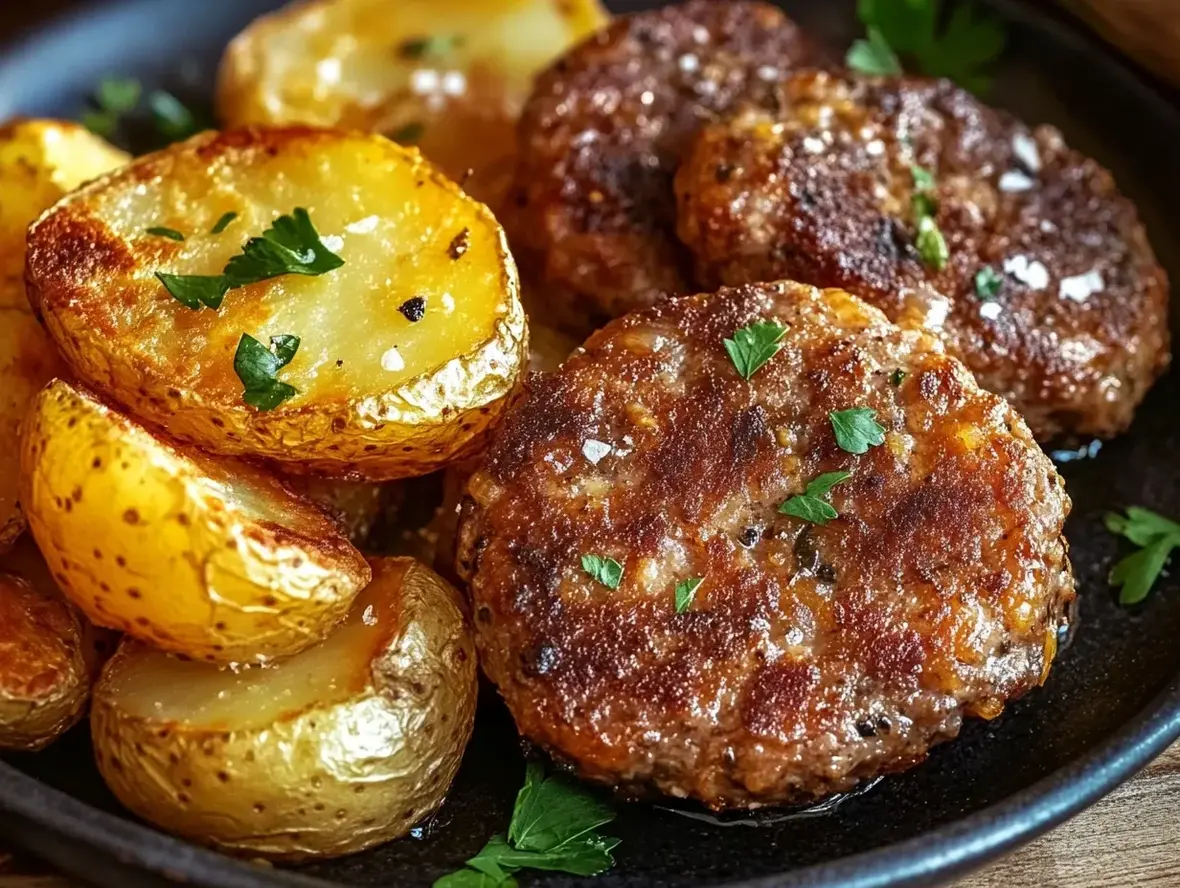
Crafting Your Authentic German Meatballs
Let’s get our hands messy and create some culinary magic!
Step 1: Prepare the Bread Base
If using stale bread, tear it into pieces and soak them in a small bowl of water (or milk for extra richness) for about 5-10 minutes until softened. Squeeze out as much liquid as possible. If using breadcrumbs, skip this soaking step.
Step 2: Combine the Meatball Mixture
In a large mixing bowl, combine the ground beef and ground pork. Add the squeezed-out bread (or breadcrumbs), eggs, finely chopped onion, minced garlic, chopped parsley, salt, pepper, and nutmeg. If using, add the Dijon mustard and Worcestershire sauce now. Gently mix everything together with your hands until just combined. Be careful not to overmix, as this can result in tough meatballs.
Step 3: Form the Meatballs
Lightly wet your hands to prevent sticking. Gently roll the mixture into meatballs, about 1.5 to 2 inches in diameter. Aim for consistent sizing so they cook evenly. Place the formed meatballs on a plate or baking sheet.
Step 4: Cook Them to Perfection
Heat a tablespoon or two of oil (like canola or vegetable oil) in a large skillet or frying pan over medium-high heat. Once the oil is shimmering, carefully add the meatballs in batches, ensuring not to overcrowd the pan. Sear them on all sides until they are nicely browned, about 5-7 minutes. They don’t need to be cooked through at this stage, as they will finish cooking in your sauce or broth. Remove the browned meatballs from the skillet and set aside. If making a sauce, you can often use the drippings in the pan as a flavor base.
Nutritional Snapshot
While exact nutritional values depend on ingredient specifics and portion sizes, a typical serving of these German meatballs (approx. 3-4 meatballs) provides:
- Calories: 300-400 kcal
- Protein: 25-35g
- Fat: 20-30g (of which saturated fat depends on the meat blend)
- Carbohydrates: 5-10g
- Sodium: Varies based on added salt.
Note: This is an estimate. For precise calculations, input your specific ingredients into a nutritional calculator.
Embrace a Lighter Bite: Healthier Alternatives
Want to lighten things up without sacrificing flavor? Try these swaps:
- Leaner Meats: Use 90% lean ground beef or turkey, adjusting the fat content as needed.
- Whole Wheat Breadcrumbs: Opt for whole wheat bread or whole wheat breadcrumbs for added fiber.
- Reduced Sodium: Be mindful of added salt; use low-sodium seasonings or herbs to boost flavor.
- Baking Instead of Frying: For a lower-fat cooking method, bake the meatballs on a rack over a baking sheet at 375°F (190°C) until cooked through, turning halfway.
Serving Suggestions: Elevate Your Meal
These versatile meatballs shine in numerous dishes:
- Classic German Style: Serve them in a creamy dill sauce (a common accompaniment in Germany) with boiled potatoes or rice.
- Hearty Dinner: Pair with mashed potatoes, sauerkraut, or a side of roasted vegetables like carrots and broccoli.
- Pasta Companion: Toss with your favorite pasta and marinara sauce for a quick and satisfying meal.
- Soup Filler: Add a couple of cooked meatballs to a vegetable or beef soup for extra protein and flavor.
Navigating the Pitfalls: Common Mistakes to Avoid
- Overmixing the Meat: This is the primary culprit behind tough, dense meatballs. Mix just until the ingredients are incorporated.
- Using Fresh Bread: Stale bread or breadcrumbs absorb liquid better and provide a superior texture.
- Overcrowding the Pan: This leads to steaming rather than searing, resulting in less browning and a less appealing texture. Cook in batches.
- Not Seasoning Enough: Don’t be shy with salt, pepper, and herbs. The meat needs ample seasoning to be flavorful.
Storing Your Savory Creations
Leftover cooked meatballs can be stored in an airtight container in the refrigerator for up to 3-4 days. They can be reheated gently on the stovetop, in the oven, or in the microwave. For longer storage, freeze the cooked meatballs in a freezer-safe container for up to 2-3 months.
Frequently Asked Questions
What is the difference between German meatballs and others?
Traditional German meatballs often incorporate soaked bread or breadcrumbs for tenderness, and spices like nutmeg are common. Königsberger Klopse, a specific German preparation, includes anchovies and is typically served in a caper-lemon sauce, but this recipe offers a more basic, versatile meatball.
Can I make these meatballs ahead of time?
Yes, you can form the meatballs ahead of time and refrigerate them for up to 24 hours before cooking. You can also cook them entirely and store them for reheating.
What kind of meat is best for German meatballs?
A combination of beef and pork is traditional and highly recommended for the best flavor and texture. Using leaner meats can work but may require adjusting moisture to prevent dryness.
How do I prevent my meatballs from falling apart?
Proper binding is key! Ensure you include eggs and the bread component, and mix gently but thoroughly until everything is just combined. Avoid overworking the mixture.
Can I bake these instead of frying?
Absolutely! Baking is a great alternative. Bake at 375°F (190°C) for about 15-20 minutes, or until cooked through, flipping them halfway. They may not develop as much crust as pan-fried ones, but they’ll still be delicious.
Have you tried this authentic German meatballs recipe? We’d love to hear about your experience in the comments below! Share your favorite serving suggestions or any twists you’ve added to make it your own. Your feedback helps our culinary community grow!
Authentic German Frikadellen

Frikadellen, Germany’s beloved meat patties, are juicy, flavorful, and easy to make. Whether served with potato salad, mashed potatoes, or a hearty bread, they’re a satisfying comfort food with rich tradition.
Ingredients
- 1lb (450 g) ground beef (or a mix of ground beef and pork)1small onion, finely chopped1clove garlic, minced1large egg1slice stale white bread (or1/2 cupbreadcrumbs)1/4 cupmilk1 tspmustard (Dijon or yellow)1 tspsalt1/2 tspblack pepper1/2 tsppaprika1/2 tspground marjoram (optional)1 tbspparsley, chopped2 tbspoil or butter (for frying)
- 1small onion, finely chopped1clove garlic, minced1large egg1slice stale white bread (or1/2 cupbreadcrumbs)1/4 cupmilk1 tspmustard (Dijon or yellow)1 tspsalt1/2 tspblack pepper1/2 tsppaprika1/2 tspground marjoram (optional)1 tbspparsley, chopped2 tbspoil or butter (for frying)
- 1clove garlic, minced1large egg1slice stale white bread (or1/2 cupbreadcrumbs)1/4 cupmilk1 tspmustard (Dijon or yellow)1 tspsalt1/2 tspblack pepper1/2 tsppaprika1/2 tspground marjoram (optional)1 tbspparsley, chopped2 tbspoil or butter (for frying)
- 1large egg1slice stale white bread (or1/2 cupbreadcrumbs)1/4 cupmilk1 tspmustard (Dijon or yellow)1 tspsalt1/2 tspblack pepper1/2 tsppaprika1/2 tspground marjoram (optional)1 tbspparsley, chopped2 tbspoil or butter (for frying)
- 1slice stale white bread (or1/2 cupbreadcrumbs)1/4 cupmilk1 tspmustard (Dijon or yellow)1 tspsalt1/2 tspblack pepper1/2 tsppaprika1/2 tspground marjoram (optional)1 tbspparsley, chopped2 tbspoil or butter (for frying)
- 1/4 cupmilk1 tspmustard (Dijon or yellow)1 tspsalt1/2 tspblack pepper1/2 tsppaprika1/2 tspground marjoram (optional)1 tbspparsley, chopped2 tbspoil or butter (for frying)
- 1 tspmustard (Dijon or yellow)1 tspsalt1/2 tspblack pepper1/2 tsppaprika1/2 tspground marjoram (optional)1 tbspparsley, chopped2 tbspoil or butter (for frying)
- 1 tspsalt1/2 tspblack pepper1/2 tsppaprika1/2 tspground marjoram (optional)1 tbspparsley, chopped2 tbspoil or butter (for frying)
- 1/2 tspblack pepper1/2 tsppaprika1/2 tspground marjoram (optional)1 tbspparsley, chopped2 tbspoil or butter (for frying)
- 1/2 tsppaprika1/2 tspground marjoram (optional)1 tbspparsley, chopped2 tbspoil or butter (for frying)
- 1/2 tspground marjoram (optional)1 tbspparsley, chopped2 tbspoil or butter (for frying)
- 1 tbspparsley, chopped2 tbspoil or butter (for frying)
- 2 tbspoil or butter (for frying)
Instructions
- 1️⃣Prepare the Bread Mixture:
- Soak the slice of stale bread in milk for about 5 minutes, then squeeze out the excess milk and crumble the bread into small pieces. Set aside.2️⃣Combine the Ingredients:In a large mixing bowl, add the ground meat, soaked bread, onion, garlic, egg, mustard, salt, pepper, paprika, marjoram (if using), and parsley.Mix until just combined. Avoid overmixing to ensure the patties remain tender.3️⃣Shape the Frikadellen:Divide the meat mixture into 4-6 equal portions.Shape each portion into a flat, oval-shaped patty about 1/2-inch thick.4️⃣Cook the Frikadellen:Heat oil or butter in a large skillet over medium heat.Place the patties in the skillet and fry for 4-5 minutes per side, or until golden brown and fully cooked (internal temperature should reach 160°F/71°C).5️⃣Serve:Serve the Frikadellen warm with sides such as potato salad, mashed potatoes, sauerkraut, or crusty bread.
- 2️⃣Combine the Ingredients:In a large mixing bowl, add the ground meat, soaked bread, onion, garlic, egg, mustard, salt, pepper, paprika, marjoram (if using), and parsley.Mix until just combined. Avoid overmixing to ensure the patties remain tender.3️⃣Shape the Frikadellen:Divide the meat mixture into 4-6 equal portions.Shape each portion into a flat, oval-shaped patty about 1/2-inch thick.4️⃣Cook the Frikadellen:Heat oil or butter in a large skillet over medium heat.Place the patties in the skillet and fry for 4-5 minutes per side, or until golden brown and fully cooked (internal temperature should reach 160°F/71°C).5️⃣Serve:Serve the Frikadellen warm with sides such as potato salad, mashed potatoes, sauerkraut, or crusty bread.
- In a large mixing bowl, add the ground meat, soaked bread, onion, garlic, egg, mustard, salt, pepper, paprika, marjoram (if using), and parsley.
- Mix until just combined. Avoid overmixing to ensure the patties remain tender.3️⃣Shape the Frikadellen:Divide the meat mixture into 4-6 equal portions.Shape each portion into a flat, oval-shaped patty about 1/2-inch thick.4️⃣Cook the Frikadellen:Heat oil or butter in a large skillet over medium heat.Place the patties in the skillet and fry for 4-5 minutes per side, or until golden brown and fully cooked (internal temperature should reach 160°F/71°C).5️⃣Serve:Serve the Frikadellen warm with sides such as potato salad, mashed potatoes, sauerkraut, or crusty bread.
- 3️⃣Shape the Frikadellen:Divide the meat mixture into 4-6 equal portions.Shape each portion into a flat, oval-shaped patty about 1/2-inch thick.4️⃣Cook the Frikadellen:Heat oil or butter in a large skillet over medium heat.Place the patties in the skillet and fry for 4-5 minutes per side, or until golden brown and fully cooked (internal temperature should reach 160°F/71°C).5️⃣Serve:Serve the Frikadellen warm with sides such as potato salad, mashed potatoes, sauerkraut, or crusty bread.
- Divide the meat mixture into 4-6 equal portions.
- Shape each portion into a flat, oval-shaped patty about 1/2-inch thick.4️⃣Cook the Frikadellen:Heat oil or butter in a large skillet over medium heat.Place the patties in the skillet and fry for 4-5 minutes per side, or until golden brown and fully cooked (internal temperature should reach 160°F/71°C).5️⃣Serve:Serve the Frikadellen warm with sides such as potato salad, mashed potatoes, sauerkraut, or crusty bread.
- 4️⃣Cook the Frikadellen:Heat oil or butter in a large skillet over medium heat.Place the patties in the skillet and fry for 4-5 minutes per side, or until golden brown and fully cooked (internal temperature should reach 160°F/71°C).5️⃣Serve:Serve the Frikadellen warm with sides such as potato salad, mashed potatoes, sauerkraut, or crusty bread.
- Heat oil or butter in a large skillet over medium heat.
- Place the patties in the skillet and fry for 4-5 minutes per side, or until golden brown and fully cooked (internal temperature should reach 160°F/71°C).5️⃣Serve:Serve the Frikadellen warm with sides such as potato salad, mashed potatoes, sauerkraut, or crusty bread.
- 5️⃣Serve:Serve the Frikadellen warm with sides such as potato salad, mashed potatoes, sauerkraut, or crusty bread.
- Serve the Frikadellen warm with sides such as potato salad, mashed potatoes, sauerkraut, or crusty bread.
Notes
Bread Substitute:If using breadcrumbs, skip the milk step and add them directly to the meat mixture.Flavor Boost:For an authentic touch, add a pinch of nutmeg to the mixture.Make-Ahead:Shape the patties ahead of time and store them in the fridge for up to 24 hours before cooking.
Flavor Boost:For an authentic touch, add a pinch of nutmeg to the mixture.Make-Ahead:Shape the patties ahead of time and store them in the fridge for up to 24 hours before cooking.
Make-Ahead:Shape the patties ahead of time and store them in the fridge for up to 24 hours before cooking.
“`
Leave a Reply