“`html
Table of Contents
- Why This Fried Rice Beats Takeout
- Elevate Your Fried Rice Game: The Ingredient List
- Timing is Everything
- Crafting Your Culinary Masterpiece: Step-by-Step
- Nutritional Highlights of Perfect Fried Rice
- Healthier Alternatives for Fried Rice Lovers
- Serving Suggestions for Your Homemade Fried Rice
- Common Mistakes to Avoid
- Storing and Reheating Your Delicious Fried Rice
- Frequently Asked Questions About Fried Rice
Better Than Takeout Fried Rice
Why This Fried Rice Beats Takeout
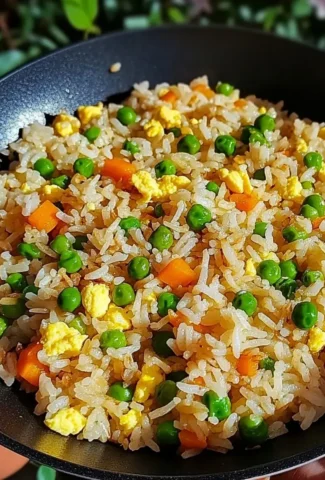
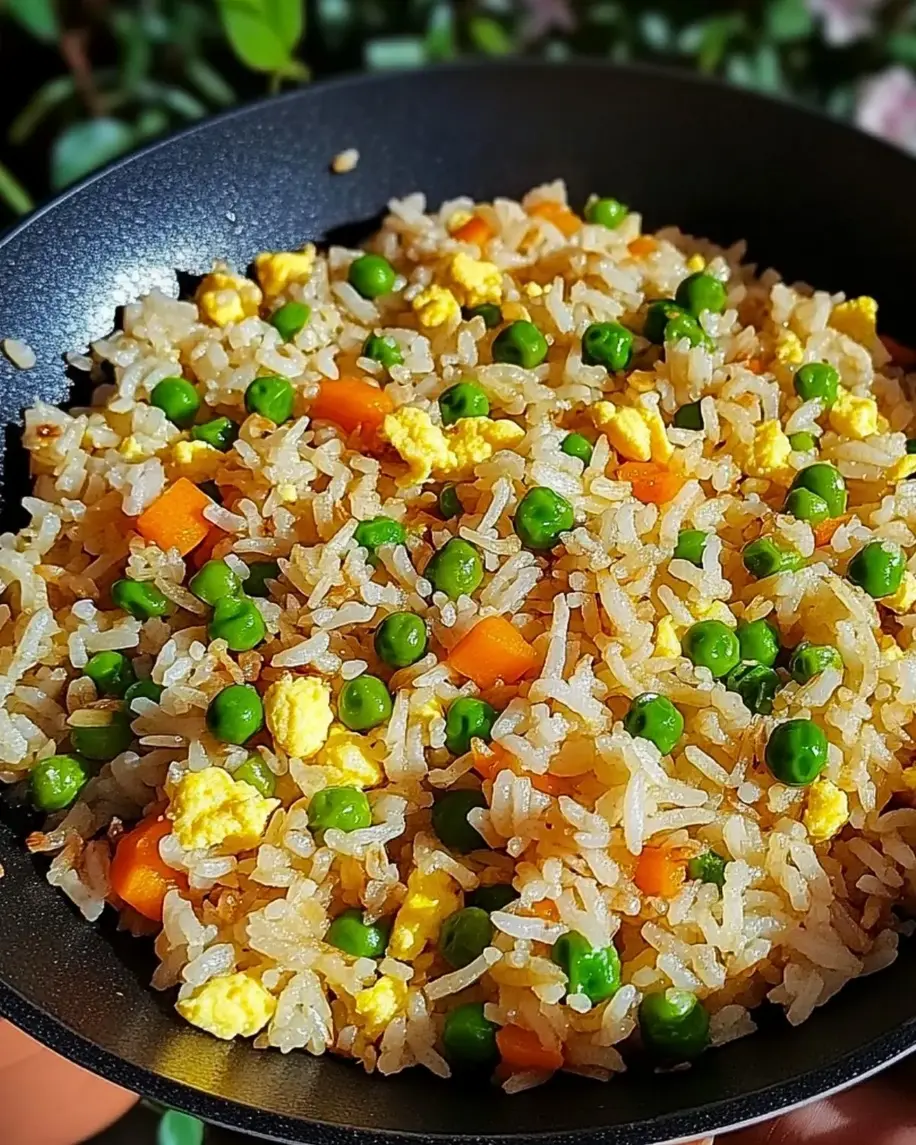
Are you tired of soggy, bland, or overly oily takeout fried rice? Do you often find yourself wishing you could capture that perfect balance of fluffy rice, savory umami, and fresh textures in your own kitchen? Research shows that consumer satisfaction with takeout fried rice can be highly variable, often due to inconsistent cooking methods and ingredient quality. But what if I told you that achieving a superior, restaurant-quality fried rice at home is not only possible but surprisingly simple? Forget those disappointing late-night deliveries; this recipe for Better Than Takeout Fried Rice is designed to be your new go-to. It’s packed with flavor, customizable to your liking, and a genuine culinary experience that will leave you questioning why you ever settled for less. Get ready to unlock the secrets to perfect, craveable fried rice that will impress your family and friends, and most importantly, yourself!
Elevate Your Fried Rice Game: The Ingredient List
Essential Aromatics and Base
- 1 tablespoon neutral oil (like canola, vegetable, or grapeseed): This is your cooking medium, ensuring everything heats evenly without imparting unwanted flavors. If you like a hint of nutty depth, sesame oil can be a beautiful addition, but use it sparingly as its flavor is potent.
- 2-3 cloves garlic, minced: The pungent soul of many Asian dishes, lending a warm, savory aroma that awakens the palate. Freshly minced is key for that punch of flavor.
- 1 teaspoon grated fresh ginger: Adds a zesty, slightly spicy, and aromatic counterpoint to the richness of the dish. It brings a delicate warmth that’s incredibly soothing.
- 1/2 cup finely chopped yellow or white onion: Softens and sweetens as it cooks, providing a foundational layer of flavor.
- 2-3 scallions (green onions), white and green parts separated and thinly sliced: The whites offer a mild oniony bite when cooked, while the greens provide a fresh, sharp finish and beautiful color.
The Rice Foundation
- 3 cups cooked and chilled day-old rice (long-grain white or jasmine recommended): This is NON-NEGOTIABLE for perfect fried rice. Freshly cooked rice is too moist and will clump and steam, creating a mushy texture. Day-old rice, especially when refrigerated, dries out slightly, allowing each grain to fry beautifully. Jasmine rice offers a wonderfully fragrant and slightly sticky base.
- Substitution: If you must use fresh rice, spread it on a baking sheet and refrigerate for at least 2-3 hours, or until dry and cool to the touch. Brown rice can be used but will require longer cooking and may have a chewier texture. Quinoa is another option but will yield a very different dish.
Protein Powerhouse
- 1 cup cooked protein, diced or shredded: This could be chicken, pork, beef, shrimp, or even crispy tofu. Ensure it’s cooked before adding to the rice to prevent overcooking the grains.
- Option: 2 large eggs, lightly beaten: A classic addition that adds richness and texture. Scramble them separately first or push the rice to the side and scramble them in the wok.
- Substitution: Leftover rotisserie chicken, pre-cooked shrimp, pan-fried tofu, or even crumbled hard-boiled eggs. For a vegetarian option, consider cubed and pan-fried tempeh or edamame.
Vegetable Vibrancy
- 1 cup mixed, finely chopped vegetables: Think peas, carrots (diced small for quick cooking), corn, bell peppers (any color), broccoli florets (small), or even bean sprouts. The key is to have them bite-sized and relatively uniform in size for even cooking.
- Sensory Note: Crisp-tender vegetables add delightful pops of freshness and color, crucial for a visually appealing and texturally exciting fried rice.
- Substitution: Frozen peas and carrots are perfectly acceptable and convenient. Aim for vegetables that don’t release too much water, like mushrooms or zucchini, unless you cook them down first.
Flavor Amplifiers & Sauce
- 2 tablespoons soy sauce (low sodium recommended): The backbone of the savory flavor. Low sodium allows you to control the saltiness better.
- 1 tablespoon oyster sauce (optional, but highly recommended for umami): Adds a deep, complex, and slightly sweet umami flavor that’s hard to replicate.
- 1 teaspoon sesame oil: For that unmistakable nutty aroma and flavor, added at the end for maximum impact.
- 1/2 teaspoon white pepper (or to taste): A classic fried rice spice that adds a subtle warmth without the visual speckles of black pepper.
- Optional: Pinch of sugar. To balance out the salty and savory notes, a tiny bit of sweetness can make a world of difference.
Timing is Everything
Compared to the average takeout time of 30-45 minutes (including delivery), our homemade fried rice is lightning fast! The key is efficient preparation.
Crafting Your Culinary Masterpiece: Step-by-Step
Step 1: Prep Your Mise en Place – The Foundation of Success
This is where the magic begins, well before the heat is even on. Chop all your vegetables, mince your garlic and ginger, slice your scallions (keeping whites and greens separate!), dice or shred your cooked protein, and have your chilled rice ready to go. In a small bowl, whisk together the soy sauce, oyster sauce (if using), sesame oil, white pepper, and sugar. Having everything prepped and within arm’s reach is crucial for the fast-paced cooking process of fried rice. This way, you won’t be fumbling for ingredients when the wok is screaming hot.
Step 2: Cook Your Protein
If you’re using raw protein like small shrimp or thinly sliced chicken, cook it first in your wok or a large skillet with a splash of neutral oil until just cooked through. Remove it from the pan and set aside. If you’re adding eggs, you can scramble them now in the same pan (or add them later), then remove and set aside. This keeps your protein from overcooking and steaming within the rice.
Step 3: Sauté the Aromatics
Heat your wok or large skillet over medium-high heat. Add the tablespoon of neutral oil. Once shimmering, add the minced garlic, grated ginger, and the white parts of the scallions. Stir-fry for about 30-60 seconds until fragrant, being careful not to burn the garlic. You want a beautiful, aromatic base.
Step 4: Add the Vegetables
Toss in your chopped, harder vegetables first (like carrots or bell peppers). Stir-fry for 1-2 minutes until they start to soften slightly. Then, add any faster-cooking vegetables like peas, corn, or broccoli florets. Cook for another 2-3 minutes, stirring constantly, until the vegetables are crisp-tender. They should still have a slight bite and vibrant color.
Step 5: Introduce the Rice
Push the vegetables to the side of the wok or skillet. Add the chilled, day-old rice directly into the center. Break up any clumps with your spatula. Let the rice sit for about 30-60 seconds without stirring to allow it to heat and slightly crisp up. Then, stir-fry the rice with the vegetables, ensuring it’s well combined and heated through. This step is crucial for achieving that desirable slightly toasted texture in each grain.
Step 6: The Sauce and Final Toss
Pour the prepared sauce mixture evenly over the rice and vegetables. Add your cooked protein and scrambled eggs back into the wok. Stir-fry vigorously for another 1-2 minutes, ensuring everything is coated in the sauce and evenly distributed. The heat should be high, allowing the sauce to caramelize slightly and bind everything together. Don’t overcook at this stage; you just want to heat everything through.
Step 7: Garnish and Serve
Remove the wok from the heat. Stir in most of the green parts of the scallions. Taste and adjust seasoning if needed. Serve immediately in bowls, garnished with the remaining fresh scallion greens. For an extra punch, a drizzle of chili oil or a sprinkle of toasted sesame seeds is divine!
Nutritional Highlights of Perfect Fried Rice
This recipe is a great canvas. Nutritional information will vary based on protein and vegetable choices. A typical serving (estimated, not precise):
- Calories: 350-500 (depending on protein and oil used)
- Protein: 15-30g (depending on protein)
- Carbohydrates: 40-60g
- Fat: 10-20g (mostly from oil)
- Fiber: 2-5g (higher with more vegetables)
Healthier Alternatives for Fried Rice Lovers
You can easily make this dish even healthier without sacrificing flavor:
- Use brown rice or a cauliflower rice blend: For fewer carbs and more fiber.
- Leaner protein: Opt for chicken breast, tofu, or shrimp over fattier cuts of pork or beef.
- Load up on veggies: Add more non-starchy vegetables like broccoli, spinach, mushrooms, and bell peppers.
- Reduce oil: Use a non-stick pan and just enough oil to prevent sticking. Consider using an oil spray.
- Control sodium: Use low-sodium soy sauce and opt for umami-rich ingredients like shiitake mushrooms instead of relying solely on salty condiments. Consider a dash of fish sauce for depth.
Serving Suggestions for Your Homemade Fried Rice
Fried rice is wonderfully versatile. Serve it as a complete meal on its own, or as a delicious side dish to:
- Grilled or pan-seared salmon or chicken
- Steamed or stir-fried greens
- Spring rolls or potstickers
- A simple clear soup
Garnish with fresh cilantro, a sprinkle of toasted sesame seeds, or a drizzle of sriracha for an extra kick!
Common Mistakes to Avoid
- Using fresh, hot rice: This is the most common culprit for mushy fried rice. Always use cold, day-old rice.
- Overcrowding the pan: Cook in batches if necessary to ensure everything fries rather than steams.
- Not enough heat: Fried rice needs high heat for that wok-kissed flavor and texture.
- Burning the aromatics: Garlic and ginger cook very quickly. Add them to a hot but not scorching pan and stir constantly.
- Soggy vegetables: Chop them small and cook them appropriately so they are crisp-tender.
Storing and Reheating Your Delicious Fried Rice
Once cooled to room temperature, store leftover fried rice in an airtight container in the refrigerator for up to 3-4 days. For reheating, the best method is to stir-fry it in a hot skillet with a touch more oil until heated through. This helps revive the texture. You can also microwave it, but it may be slightly less crisp.
Frequently Asked Questions About Fried Rice
***Can I use short-grain rice?***
While long-grain white or jasmine rice is preferred for its ability to stay separate when fried, short-grain rice can work if it’s well-chilled and not too sticky. You might get a slightly more cohesive result.
***How do I make it spicy?***
Add a tablespoon or two of sriracha or your favorite chili garlic sauce to the sauce mixture, or add some fresh chopped chilies to the aromatics.
***What kind of pan is best?***
A well-seasoned cast-iron skillet or a carbon steel wok are ideal for achieving high heat and a good sear. A good quality non-stick skillet will also work.
***Can I make this vegan?***
Absolutely! Omit the oyster sauce and eggs, and use tofu or tempeh as your protein. Ensure your soy sauce is vegan.
***Why is my fried rice bland?***
Likely reasons include not enough salt (soy sauce), not enough umami (oyster sauce, mushrooms, or a dash of fish sauce), or not cooking long enough to allow flavors to meld.
Better Than Takeout Fried Rice
This Better Than Takeout Fried Rice is a quick and flavorful dish that’s perfect for any occasion. Made with fluffy rice, colorful vegetables, scrambled eggs, and a savory blend of soy sauce and sesame oil, it’s a simple yet satisfying recipe. Whether enjoyed as a main course or a side dish, this fried rice will become a household favorite!
Ingredients
- 3 cupscooked, day-old rice (Jasmine or long-grain preferred)
- 1 cupdiced carrots and peas (fresh or frozen)
- 2large eggs, whisked
- 2 tablespoonssoy sauce (adjust to taste)
- 1 tablespoonsesame oil
- 2garlic cloves, minced
- 2 tablespoonscooking oil (vegetable or canola)
- 2green onions, chopped (for garnish)
- Salt and pepper, to taste
Instructions
- Prepare all ingredients before starting to cook. Chop vegetables, whisk the eggs, and ensure the rice is clump-free.
- Heat 1 tablespoon of oil in a large skillet or wok over medium-high heat. Add the whisked eggs and scramble until just set. Remove and set aside.
- In the same skillet, add another tablespoon of oil and sauté the minced garlic for 30 seconds until fragrant.
- Add the diced carrots and peas. Stir-fry for 2-3 minutes until slightly softened.
- Add the cooked rice to the skillet, breaking up clumps with a spatula. Stir-fry for 2-3 minutes to heat through.
- Drizzle soy sauce and sesame oil over the rice, stirring to coat evenly. Season with salt and pepper to taste.
- Return the scrambled eggs to the skillet and mix gently with the rice. Sprinkle with chopped green onions.
- Serve warm and enjoy your delicious homemade fried rice!
Notes
Use day-old rice for the best texture. Fresh rice can be used, but let it cool and dry out slightly before frying.
Customize by adding cooked chicken, shrimp, tofu, or other favorite proteins.
For an extra crunch, toss in chopped cashews or sesame seeds.
Store leftovers in the refrigerator for up to 3 days or freeze for up to 1 month.
“`
Leave a Reply