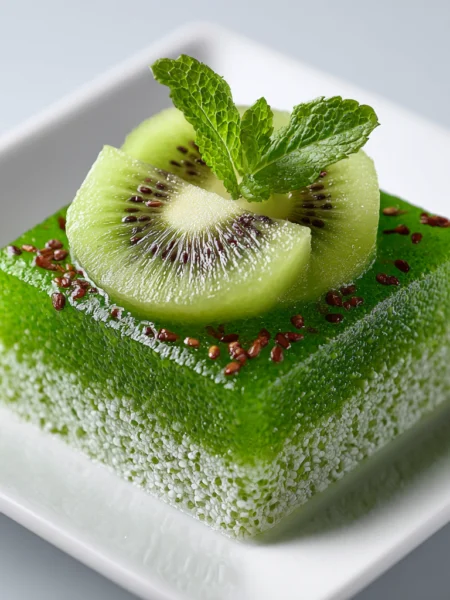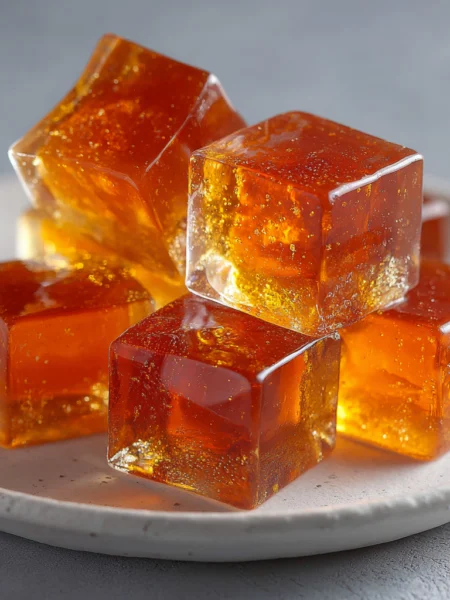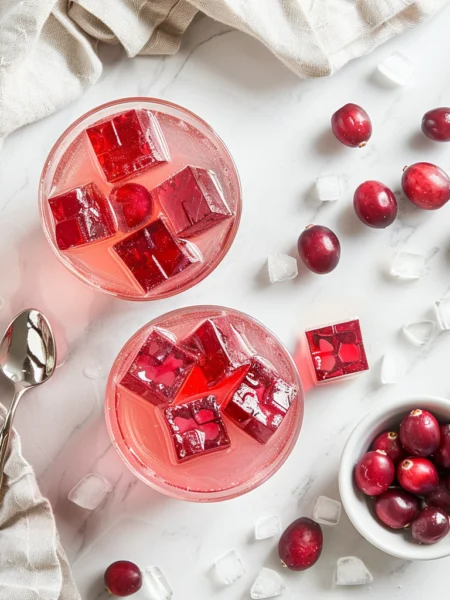
One packet of Knox unflavored gelatin sets exactly 2 cups of liquid. That’s the ratio. I wish someone had told me that before I ruined three batches trying to figure it out.
I’ve been using Knox unflavored gelatin in my kitchen for two years — in desserts, in high-protein snacks, and yes, in the gelatin recipes that have genuinely changed how I think about appetite and collagen. In this guide, I’m sharing everything I’ve tested: the exact ratios, the step-by-step method, the common mistakes, and the uses most recipe blogs don’t mention.
By the end, you’ll know exactly how to use Knox gelatin for any recipe — and why it works so well as a base for weight-loss and GLP-1 supportive recipes.
What Is Knox Unflavored Gelatin and Why It’s Different
Knox unflavored gelatin is a pure collagen powder — no sugar, no flavoring, no additives. It’s designed to dissolve in hot liquid and form a gel when chilled. Because the ingredient list is literally one word (gelatin), it gives you complete control over your recipe.
Unlike flavored gelatin mixes, Knox is neutral. That means you control the sweetness, the flavor, and the macros entirely. It also means Knox adapts to both sweet and savory applications in ways that flavored packets can’t.
What surprised me when I first tested Knox against other brands: it has the cleanest flavor profile of any unflavored gelatin I’ve tried. Great Lakes and Vital Proteins both have a faint smell and a slightly more pronounced taste. Knox stays genuinely neutral — which matters when you’re building a layered dessert or a delicate broth mold.
Nutrition at a Glance (per envelope)
- Calories: 35
- Protein: 9g
- Fat: 0g
- Carbs: 0g
- Gluten-free: Yes
Benefits of Knox Unflavored Gelatin vs Store-Bought Gelatin
Knox unflavored gelatin gives you ingredient transparency. Store-bought gelatin desserts typically contain added sugars that increase calorie intake and affect blood sugar. When you prepare gelatin using Knox, you control sweetness and portion size entirely.
Another advantage is texture control. Store-bought gelatin has fixed firmness determined by the manufacturer’s formula. Knox lets you adjust: more gelatin creates firm cubes you can pick up; less creates a soft spoonable dessert. This flexibility is genuinely useful once you learn the ratios.
Knox also supports high-protein snacks in a way flavored mixes can’t. With 9g of collagen-based protein per envelope and zero carbs, it fits cleanly into macro-friendly meal prep. I use it in yogurt gelatin, high-protein fruit cups, and the weight-loss protocols I’ve tested.
Finally, the minimal ingredient list reduces exposure to stabilizers, artificial colors, and synthetic sweeteners that most commercial gelatin desserts rely on. For anyone tracking clean ingredients, Knox is the obvious choice.
Knox Gelatin Ratio Guide: How Much Per Cup of Liquid?
The most common question I get: what is the ratio of unflavored gelatin to water? Here’s the answer, tested across dozens of batches.
Standard rule: 1 Knox envelope (7g / ¼ oz) sets 2 cups (480ml) of liquid to a firm, sliceable gel. Always bloom in ¼ cup cold liquid first, then add the remaining warm liquid.
| Result you want | Knox envelopes | Total liquid | Texture |
|---|---|---|---|
| Soft / pourable (panna cotta) | 1 envelope | 2½ cups | Jiggles freely, won’t hold shape at room temp |
| Standard set (molded dessert) | 1 envelope | 2 cups | Firm, sliceable, holds shape when unmolded |
| Firm (layered dessert) | 1 envelope | 1½ cups | Dense, clean-cut layers |
| Very firm (Knox Blox) | 1 envelope | 1 cup | Rubbery, holds shape out of fridge 30+ min |
| Gelatin sheet substitute | 1 envelope | = 4 gelatin sheets | Direct swap in European recipes |
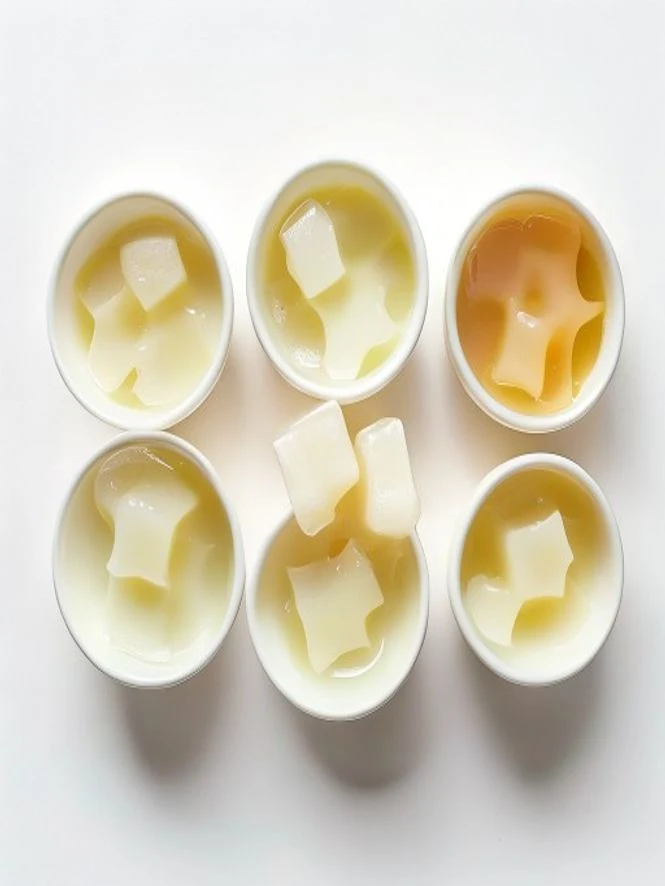
Sara’s tip: Never add gelatin to boiling liquid — it breaks down the proteins and you’ll get a weak set. Heat your liquid to just below a simmer (around 140°F / 60°C), then stir in the bloomed gelatin until fully dissolved.
What not to mix with gelatin: Fresh pineapple, papaya, kiwi, and figs contain enzymes (bromelain and papain) that break down gelatin proteins — your gel will never set. Canned versions of these fruits are fine because heat from canning deactivates the enzymes.
How to Make a Knox Gelatin Recipe Step-by-Step
Here’s what I’ve found after testing this more times than I can count: the blooming step is everything. Skip it, and you get lumps. Rush the dissolving, and you get weak set. Do it right, and Knox gelatin is nearly foolproof.
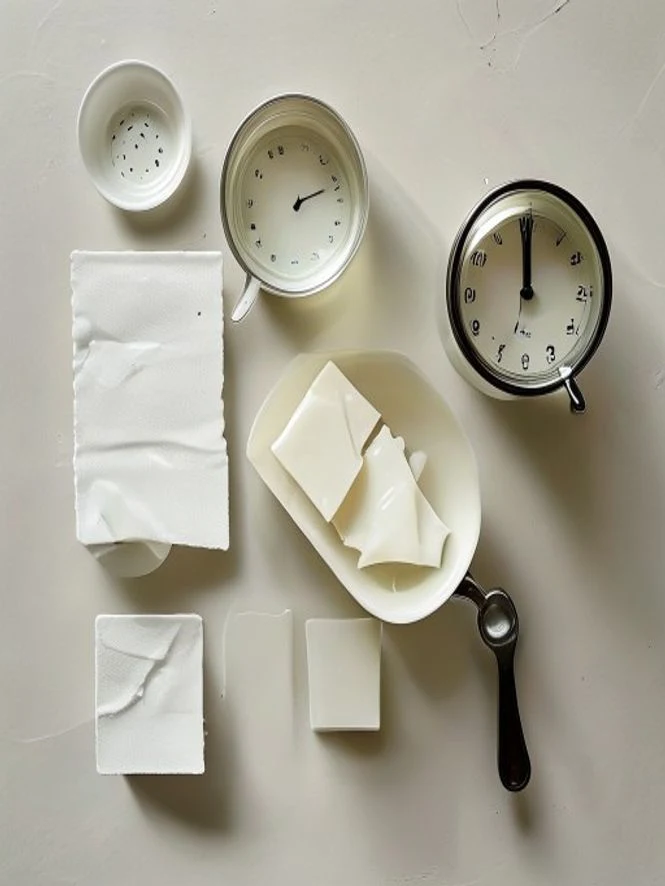
Basic Knox Gelatin Recipe (Works for Any Application)
- Step 1 — Bloom: Pour ¼ cup (60ml) cold water or cold liquid into a bowl. Sprinkle 1 Knox envelope (7g) over the surface — don’t stir. Wait 2 minutes. The gelatin will absorb the water and swell into a soft, spongy mass. This is blooming.
- Step 2 — Heat remaining liquid: Warm 1¾ cups of your base liquid (water, broth, juice) to about 140°F / 60°C — hot enough to dissolve gelatin, not hot enough to damage it. Do not boil.
- Step 3 — Combine: Add the bloomed gelatin to the hot liquid. Stir for 2 minutes until completely dissolved. Tilt the bowl — if you see any granules on the bottom, keep stirring.
- Step 4 — Add flavoring: Now is the time to add sweetener, fruit juice, lemon, collagen powder, or protein powder if using.
- Step 5 — Set: Pour into your mold or container. Refrigerate 2 hours minimum for standard set, 4 hours for firm set, overnight for best results.
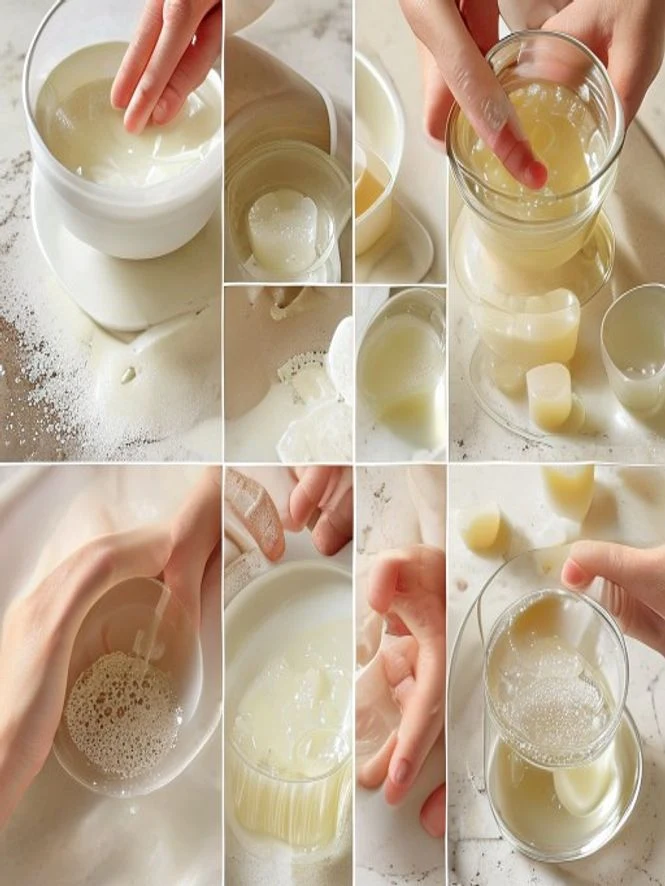
What surprised me: Knox gelatin is almost tasteless and odorless — far more neutral than Great Lakes or Vital Proteins. That makes it a better base when you want flavors from other ingredients to come through clearly.
Sara’s troubleshooting note: If your gelatin didn’t set after 4 hours, the most common causes are (1) too much liquid, (2) you added an enzyme-rich fruit like fresh pineapple, or (3) your base liquid was too hot when you added the bloomed gelatin. All fixable next time.
Common Mistakes When Making Knox Gelatin (And How to Fix Them)
I’ve made every one of these mistakes. Here’s what to watch for:
- Mistake 1 — Skipping the bloom. Sprinkling dry gelatin directly into hot liquid creates clumps. Always bloom in cold liquid first, every single time.
- Mistake 2 — Boiling the gelatin. Temperatures above 160°F / 70°C start to break down gelatin’s gelling power. Heat your liquid first, then add gelatin off the heat or at a low simmer.
- Mistake 3 — Not dissolving completely. Undissolved granules create rubbery spots in your finished gel. Stir for a full 2 minutes and check the bottom of your container.
- Mistake 4 — Using fresh tropical fruit. Pineapple, kiwi, papaya, mango — all contain proteolytic enzymes that dissolve gelatin. Use canned or cooked versions instead.
- Mistake 5 — Rushing the set time. One hour in the fridge is almost never enough. Minimum 2 hours; overnight for unmolding.
- Mistake 6 — Freezing to speed things up. Freezing gelatin changes its texture — it becomes grainy and weeps liquid when thawed. Don’t do it.
How to Use Knox Unflavored Gelatin in Recipes
Knox gelatin is more versatile than most people realize. Here are the uses I actually cook with regularly — including some that surprised me.
- Classic molded desserts: The original use. Fruit salads, layered jellies, gelatin molds — all use the standard 1 envelope per 2 cups ratio.
- High-protein snacks: Knox gelatin has 9g of protein per serving. Mix with Greek yogurt, add a little sweetener and vanilla, refrigerate — you have a high-protein snack with a satisfying texture.
- Soups and broths: Adding ½ envelope to 2 cups of bone broth or soup gives it a restaurant-quality body. Completely invisible in the final dish.
- Homemade gummy vitamins: Mix Knox with fruit juice and a small amount of honey. Pour into molds. The firm set ratio (1 cup liquid per envelope) is what you want here.
- Whipped creams and mousses: Add ½ envelope dissolved in 2 tbsp warm water to 1 cup of whipped cream before it fully sets. Stays stable for 24+ hours without deflating.
The weight loss angle: Knox gelatin has become popular in weight loss circles because it’s high in glycine and other amino acids that support satiety and gut health. Several of the recipes I’ve tested — including the Jillian Michaels gelatin trick and the GLP-1 gelatin recipe — use Knox as their base. If weight loss is your goal, those pages go much deeper on the specific protocols and why they work.
Does Knox Gelatin Help With Weight Loss or GLP-1?
Short answer: Knox gelatin itself isn’t a weight loss drug. But the amino acids in it — especially glycine and alanine — have been studied for their role in supporting the hormones that regulate hunger, including GLP-1 (glucagon-like peptide-1).
GLP-1 is the hormone that drugs like Ozempic mimic. Some research suggests that dietary glycine — which gelatin is rich in — may naturally support GLP-1 production, which is why gelatin-based recipes have gotten so much attention from people looking for non-pharmaceutical appetite support.
I tested this personally for 30 days using the GLP-1 gelatin recipe that combines Knox gelatin with specific amino acid ratios. The results were interesting enough that I wrote a full article about it.
The one thing people add to gelatin to lose weight: Based on the recipes currently circulating — and what I’ve tested — the most common addition is a specific ratio of glycine to alanine, sometimes paired with collagen peptides or apple cider vinegar. Knox unflavored gelatin is the base most people use because it’s widely available, affordable, and neutral in flavor.
If this is what you’re after, read these next:
- Jillian Michaels gelatin trick recipe (Sara Tested) — the 3-ingredient version that started the trend
- GLP-1 Gelatin Recipe with Glycine & Alanine — Sara’s 30-day test, full protocol
- Bariatric Gelatin Recipe — for post-surgery or high-protein needs
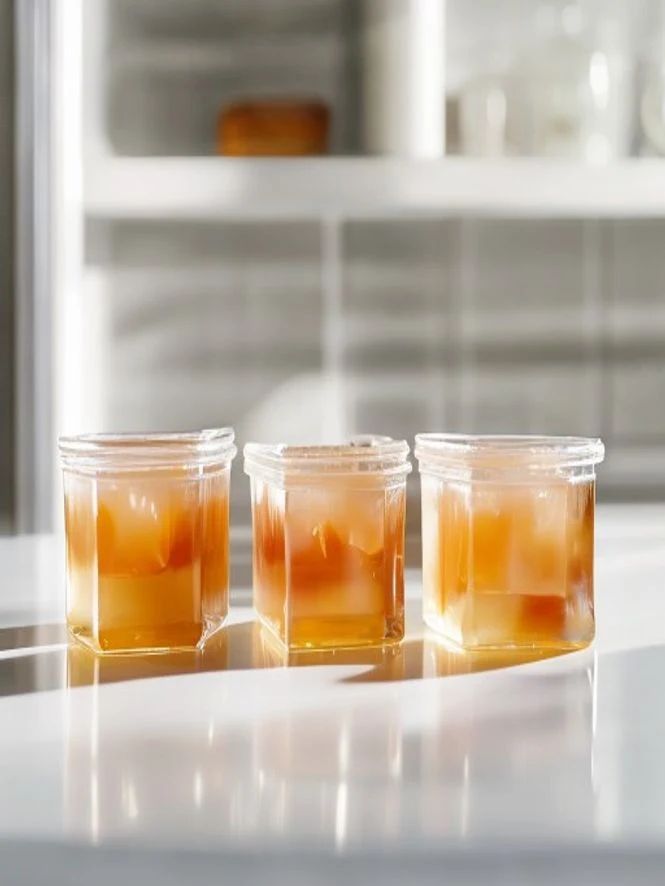
What Is Knox Unflavored Gelatin Made Of
Knox unflavored gelatin contains gelatin derived from collagen. Collagen comes from animal sources and is processed into a fine powder. This powder dissolves in hot liquid and forms a gel when cooled.
Because the product contains only gelatin, it contains no gluten ingredients, no sugar, and no flavoring. This simplicity allows full control over recipes and makes it suitable for most dietary approaches.
Gelatin forms structure through a cooling process. When heated, the gelatin proteins dissolve and move freely. As the liquid cools, they reassemble into a network that traps liquid — creating the firm, sliceable texture you’re after.
Does Knox Unflavored Gelatin Expire — And How to Store It
Knox unflavored gelatin has a long shelf life when stored properly. Unopened packets typically last 2–3 years. Freshness does affect setting strength, so if your gelatin seems weak, check the date first.
Expired gelatin may still work, but it can produce a weaker, softer texture. If gelatin does not set firmly after expiration, increase the amount slightly — usually adding half an envelope per 2 cups fixes it.
Storage tips: keep gelatin in a cool, dry place away from moisture. Humidity reduces effectiveness significantly. If you’ve opened a packet and used part of it, seal the remainder in a zip-lock bag.
Prepared gelatin (already set) lasts in the refrigerator for 3 to 5 days, covered. Avoid freezing — it makes the texture grainy and causes weeping when thawed.
Can I Substitute Knox Gelatin?
Yes, with caveats — each substitute behaves differently and requires recipe adjustments.
Agar agar is the most common plant-based substitute. It creates a firmer, more brittle texture and requires boiling (not just hot water) to activate. Use about 1 tsp agar powder per 1 cup of liquid. It doesn’t melt at body temperature, so it works at room temperature — useful for some applications, limiting for others.
Pectin works in fruit-based recipes but requires both sugar and acid (usually lemon juice) to set properly. It’s less flexible than gelatin and not suitable for savory or neutral applications.
Carrageenan thickens liquids and creates a softer texture. It works well in dairy-based recipes (panna cotta, set cream) but behaves differently than gelatin in most other contexts.
When substituting, consider three factors: (1) texture — agar and carrageenan are firmer and more brittle than gelatin; (2) setting temperature — gelatin melts in your mouth, agar stays firm; (3) activation method — agar needs boiling, gelatin just needs near-simmer temperatures.
Conclusion
Knox unflavored gelatin is one of the most underrated ingredients in a practical kitchen. It’s inexpensive, widely available, and once you know the ratios, it’s nearly impossible to get wrong.
Key takeaways:
- Standard ratio: 1 envelope per 2 cups liquid
- Always bloom in cold liquid first — never skip this step
- Avoid fresh tropical fruits; canned versions are fine
- For weight loss applications, the glycine and alanine content matters — see the GLP-1 and Jillian Michaels recipes
- Knox sets cleaner and more neutral than other brands I’ve tested
If you’re using Knox as a base for one of the weight loss or appetite-support recipes, the Jillian Michaels gelatin trick and the GLP-1 gelatin recipe are the two I’d start with. They both use Knox as the foundation and go much deeper on the protocol.
Try it this week and let me know how it goes — I read every comment.
For the complete guide with four tested variations, see our gelatin weight loss recipe hub page.
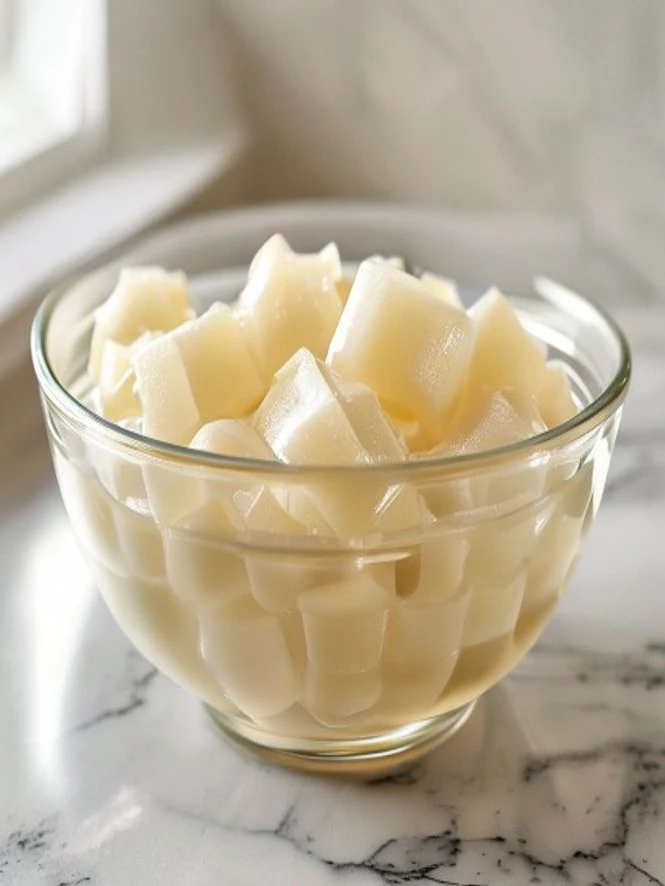

Knox Unflavored Gelatin Recipe: Sara’s Complete How-To Guide
Description
Learn how to properly bloom and dissolve Knox unflavored gelatin for smooth, lump-free results. This gluten-free gelatin is perfect for homemade desserts, panna cotta, gummies, mousses, and stabilizing whipped cream. Follow this simple method to use Knox unflavored gelatin correctly every time.
Ingredients
Gelatin Bloom
Dissolving Liquid
Instructions
How To Make Knox Unflavored Gelatin
-
Pour cold water into a small bowl.
-
Sprinkle Knox unflavored gelatin evenly over the cold water surface.
-
Let the gelatin sit for 5 to 10 minutes to bloom and absorb the liquid.
-
Heat water until hot but not boiling.
-
Pour the hot water over the bloomed gelatin.
-
Stir continuously until completely dissolved and smooth.
-
Use immediately in your recipe or mix into your desired liquid.
-
Refrigerate the final mixture until set, typically 2 to 4 hours.
Using In Recipes
-
Add dissolved gelatin to juices, desserts, or sauces while still warm.
-
Stir gently to avoid bubbles.
-
Pour into molds or serving containers.
-
Chill until fully set before serving.
Nutrition Facts
Servings 4
Serving Size 1 tbsp prepared
- Amount Per Serving
- Calories 35kcal
- % Daily Value *
- Sodium 5mg1%
- Protein 1g2%
* Percent Daily Values are based on a 2,000 calorie diet. Your daily value may be higher or lower depending on your calorie needs.
Note
One packet of Knox unflavored gelatin sets about 2 cups of liquid. Always bloom gelatin in cold liquid first to prevent clumping. Avoid boiling after gelatin is added, as high heat can weaken the setting ability.