Branzino fish appears often in Mediterranean cooking because it cooks quickly, stays low-calorie, and supports steady satiety. This guide explains how to make branzino fish, nutrition benefits, taste comparisons, and smart substitutions. Branzino fish works for weeknight dinners, meal prep, and low-carb plans. Many home cooks prefer branzino fish because the texture stays tender without heavy sauces. The sections below cover nutrition, preparation, and cooking fundamentals before moving into comparisons and buying tips.
Nutrition at a Glance (Branzino Fish – 1 fillet ~170g cooked)
| Nutrient | Amount |
|---|---|
| Calories | 220 kcal |
| Protein | 32 g |
| Fat | 9 g |
| Carbohydrates | 0 g |
| Sodium | 75 mg |
Branzino Fish: How to Make It, Benefits, Taste vs Sea Bass
Branzino Fish Overview and Nutrition Benefits
What is branzino fish and why it’s popular
Branzino fish refers to European sea bass commonly served whole and roasted. Many Mediterranean restaurants cook branzino fish simply with olive oil, lemon, and herbs. The mild taste makes branzino fish approachable for people who avoid strong seafood flavors. The flesh stays flaky yet firm, which helps beginners cook it without breaking apart.
Branzino fish typically weighs 1 to 2 pounds when sold whole. Fishmongers often scale and gut the fish, which reduces prep time. Because branzino fish contains moderate fat, it stays moist even at high heat. That feature supports roasting, grilling, or pan-searing.
Cooks often choose branzino fish for macro-friendly meals. The high protein content supports satiety, while the low carbohydrate profile fits low-calorie plans. Compared with heavier fish, branzino fish feels lighter after eating. That balance works well for lunch or dinner.
Mediterranean cooking pairs branzino fish with tomatoes, olives, and lemon. These ingredients add brightness without increasing calories. For example, simple roasted vegetables complement the mild flavor. Many cooks also serve branzino fish with leafy salads for digestion support.
Those learning how to make branzino fish usually start with whole roasting. This method keeps moisture inside the cavity. Pan-searing also works for fillets when time runs short. Both approaches preserve texture and flavor.
Nutrition at a glance and macro-friendly profile
Branzino fish provides lean protein with moderate fat. A typical serving delivers about 220 calories with over 30 grams of protein. That ratio supports muscle maintenance and steady energy. Many meal plans include branzino fish for this reason.
Omega-3 fats appear in smaller amounts than salmon but still contribute to heart health. These fats also support digestion and reduce heavy post-meal feeling. Because branzino fish contains no carbohydrates, it fits low-carb diets easily.
The sodium level stays naturally low. This allows cooks to season branzino fish without exceeding daily targets. Fresh herbs, lemon, and garlic add flavor without extra calories. That approach keeps the dish light and balanced.
Branzino fish also supplies potassium and selenium. These minerals support hydration balance and metabolic function. The result is a nutrient-dense seafood option with clean flavor.
Meal prep also benefits from branzino fish. Cooked portions hold texture for about two days refrigerated. Reheat gently to prevent drying. Many cooks flake leftover branzino fish into salads or grain bowls.
Branzino fish stands out because it balances taste and nutrition. The mild flavor, low calories, and satisfying protein content make it practical for regular meals.
How to Make Branzino Fish at Home
Whole roasted branzino fish method
Whole roasted branzino fish delivers the most reliable texture and keeps the flesh moist. This method also improves flavor because the skin protects the meat during cooking. Many Mediterranean recipes use this approach for consistent results.
Start with one cleaned whole branzino fish about 1 to 1.5 pounds. Pat the branzino fish dry with paper towels. Dry skin helps browning and prevents steaming. Preheat oven to 425°F. High heat cooks the branzino fish quickly while keeping the interior tender.
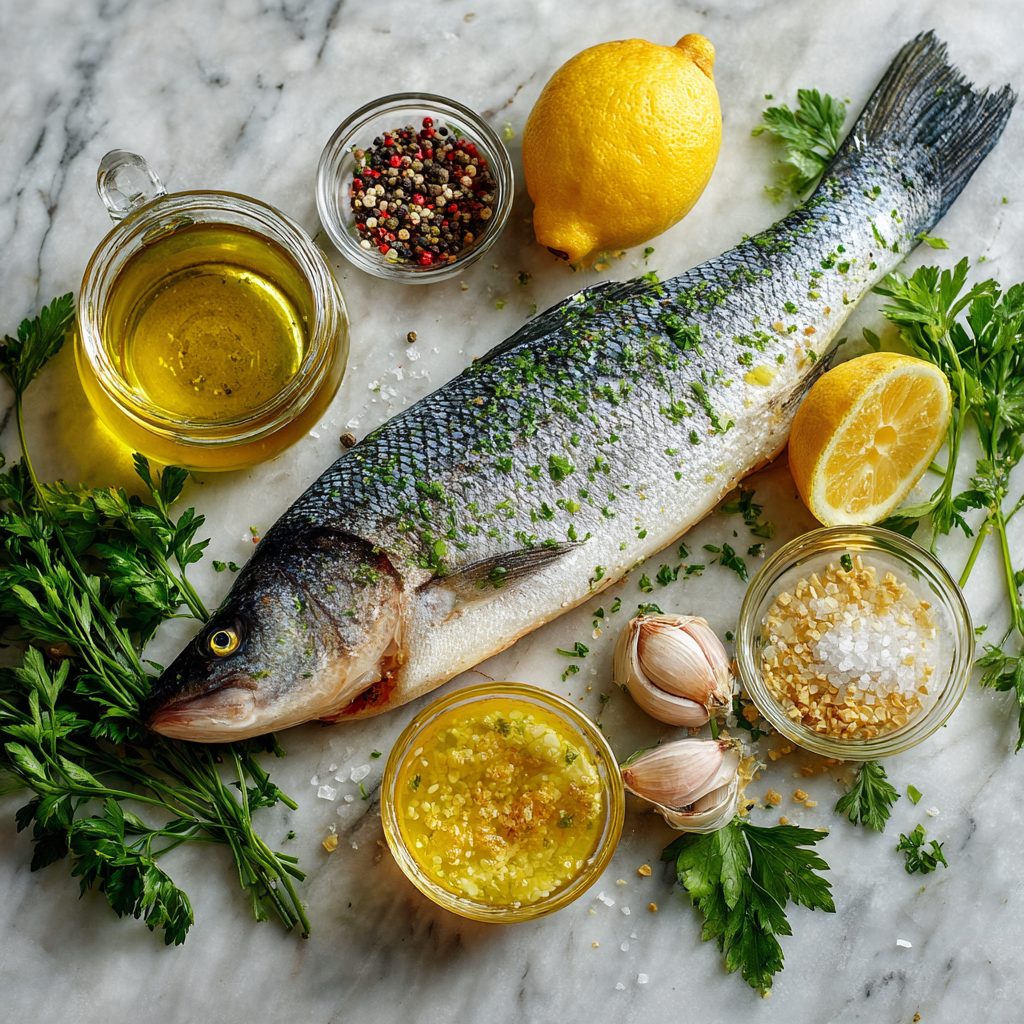
Score the branzino fish lightly on both sides. Make three shallow cuts about 1 inch apart. These cuts allow seasoning to penetrate evenly. Rub the branzino fish with 1 tablespoon olive oil, ½ teaspoon salt, and black pepper. Place sliced lemon, garlic, and parsley inside the cavity. This step builds aroma without adding calories.
Place the branzino fish on a lined baking sheet. Roast for 18 to 20 minutes. The skin should blister slightly, and the flesh should flake easily. Internal temperature should reach about 135–140°F. Remove from oven and rest for 3 minutes. Resting keeps juices inside.
Drizzle fresh lemon juice over the branzino fish before serving. The acidity balances the natural richness. Serve immediately for best texture.
This whole roasted branzino fish method works well for meal prep. It also keeps calories controlled because it requires minimal oil. Many cooks prefer this version over heavier sauces.
Pan-seared branzino fillet cooking method
Pan-seared branzino fish fillets cook faster and work well for weeknight meals. This method produces crisp skin and tender interior. Use skin-on branzino fish fillets about 5 to 6 ounces each.
Pat the branzino fish dry thoroughly. Moisture prevents crisping. Season both sides with salt and pepper. Heat 1 tablespoon olive oil in a skillet over medium-high heat. Place branzino fish skin-side down first. Press gently for 10 seconds to prevent curling.
Cook the branzino fish for 3 to 4 minutes skin-side down. The skin should become golden and crisp. Flip carefully using a thin spatula. Cook another 2 minutes on the second side. The flesh should turn opaque and flake easily.
Add optional flavor boosters during the final minute. Try sliced garlic, lemon zest, or thyme. Spoon the hot oil over the branzino fish. This quick basting improves flavor without increasing cook time.
Remove the branzino fish from heat and rest for 1 minute. Serve with vegetables, salad, or grains. Pan-seared branzino fish pairs well with simple sides because the flavor stays mild.
This method suits low-calorie meals. It uses minimal fat while keeping the fish moist. Many cooks alternate between roasted and pan-seared branzino fish depending on time available.
Branzino Fish Taste, Texture, and Comparisons
What does branzino fish taste like
Branzino fish has a mild, clean flavor with a slightly sweet finish. The taste stays lighter than salmon and less dense than tuna. Many people choose branzino fish because it does not taste overly “fishy.” This mild profile makes branzino fish approachable for beginners.
The texture of branzino fish stays flaky yet firm. When cooked properly, the flesh separates easily into large pieces. This structure helps the fish hold shape during roasting or pan-searing. Because branzino fish contains moderate fat, the meat stays moist without heavy sauces.
The skin also plays an important role. Crisped skin adds contrast to the tender interior. Many cooks serve branzino fish with skin-on for this reason. Removing the skin after cooking remains easy for those who prefer a lighter bite.
Branzino fish pairs well with bright ingredients. Lemon, capers, olives, and herbs balance the mild flavor. These additions increase flavor without increasing calories. That combination supports macro-friendly meals and controlled portions.
Compared with stronger seafood, branzino fish allows sides to stand out. Vegetables, salads, and grains complement the fish instead of competing. This flexibility makes branzino fish practical for weekly meal planning.
Because the flavor stays neutral, branzino fish works with many cooking styles. Mediterranean seasoning remains most common, but simple salt and pepper also work. The result stays consistent across methods.
Branzino fish vs sea bass vs barramundi
Branzino fish often creates confusion because it belongs to the sea bass family. European sea bass is the same fish sold as branzino. Many markets label branzino fish as Mediterranean sea bass. The flavor and texture remain identical.
Barramundi differs from branzino fish. Barramundi has a slightly stronger taste and larger flakes. The fat content also runs higher in barramundi. This makes barramundi richer but slightly heavier. Branzino fish remains lighter and more delicate.
Chilean sea bass differs more significantly. Chilean sea bass contains much higher fat. The texture feels buttery and dense. Branzino fish stays leaner and cooks faster. Many cooks choose branzino fish for low-calorie meals.
The table below compares key differences:
| Fish | Flavor | Texture | Calories (170g) |
|---|---|---|---|
| Branzino fish | Mild, slightly sweet | Flaky, tender | ~220 kcal |
| Barramundi | Mild, richer | Large flakes | ~260 kcal |
| Chilean sea bass | Buttery | Dense, soft | ~360 kcal |
Branzino fish stands out for balanced flavor and lower calories. That balance makes it a practical everyday seafood choice.
Buying, Substitutions, and Serving Ideas for Branzino Fish
How to buy fresh branzino fish
Fresh branzino fish usually appears whole or as fillets. Whole branzino fish often delivers better flavor because the skin and bones protect moisture. Look for clear eyes, shiny skin, and firm flesh. These signs indicate freshness. The branzino fish should smell clean and slightly salty, never strong.
Most markets sell farm-raised branzino fish. This version stays consistent in size and flavor. Wild branzino fish appears less often and usually costs more. Both options cook similarly, so most home cooks choose farm-raised for reliability.
Size also matters when selecting branzino fish. A 1 to 1.5 pound whole branzino fish works best for roasting. Larger fish may require longer cooking time and can dry out. Smaller fish cook quickly and remain tender.
Ask the fishmonger to scale and gut the branzino fish. This step reduces prep time. Many stores also remove gills and trim fins. After cleaning, store the branzino fish on ice and cook within one day for best texture.
Frozen branzino fish also works. Thaw overnight in the refrigerator. Pat dry thoroughly before cooking. Removing excess moisture helps browning and improves texture.
Branzino fish pairs well with simple ingredients. Olive oil, lemon, herbs, and garlic highlight the mild flavor. Heavy sauces mask the taste and increase calories. Many cooks prefer light seasoning for balanced meals.
Best sides and substitutions for branzino fish
Branzino fish works with light sides that support digestion and satiety. Roasted vegetables, leafy salads, and grains complement the mild flavor. Lemon potatoes and grilled zucchini remain common Mediterranean pairings. These sides add fiber without overwhelming the dish.
For low-calorie meals, serve branzino fish with cucumber salad or sautéed spinach. These options keep total calories controlled. For higher energy meals, pair branzino fish with rice or quinoa. The neutral flavor allows flexibility.
Substitutions also work when branzino fish is unavailable. European sea bass remains the closest match. Because branzino fish is European sea bass, the taste stays identical. This makes substitution simple.
Other alternatives include snapper, flounder, or barramundi. Snapper offers similar firmness but slightly stronger flavor. Flounder cooks faster and feels more delicate. Barramundi tastes richer and slightly buttery. Adjust cooking time depending on thickness.
Quick substitution guide:
| Substitute | Best Use |
|---|---|
| European sea bass | Identical replacement |
| Snapper | Roasting or grilling |
| Barramundi | Pan-searing |
| Flounder | Quick skillet cooking |
Branzino fish remains versatile, light, and easy to pair with balanced sides.
FAQ
What kind of fish is branzino?
Branzino fish is European sea bass. It is a mild white fish commonly used in Mediterranean cooking. The texture stays flaky and tender, which makes it easy to cook whole or as fillets.
What is branzino in French?
In French, branzino fish is called “loup de mer.” This term also refers to Mediterranean sea bass. Restaurants in France often serve it roasted whole with herbs.
What is branzino called in Europe?
Across Europe, branzino fish is known as European sea bass. Italy uses the name branzino, while Spain often calls it lubina. The fish remains the same species.
Is branzino the same as barramundi?
Branzino fish is not the same as barramundi. Branzino fish tastes lighter and more delicate. Barramundi has larger flakes and slightly richer flavor. Both cook similarly but differ in texture.
Can I substitute branzino fish?
Yes. European sea bass works best because it is identical. Snapper, flounder, or barramundi also work. Adjust cook time based on thickness.
Conclusion
Branzino fish offers mild flavor, lean protein, and fast cooking. It works for roasted whole presentations or quick pan-seared meals. The balanced nutrition supports low-calorie and macro-friendly plans. Because branzino fish pairs easily with vegetables and grains, it fits weekly meal rotation. When unavailable, several white fish substitutions provide similar results.


Branzino Fish Recipe: Simple Healthy Mediterranean Cooking Guide
Description
This whole roasted branzino fish delivers a mild, flaky Mediterranean seafood dish with simple ingredients. High-protein and low-calorie, this macro-friendly branzino cooks quickly and pairs well with vegetables, grains, or fresh salad.
Ingredients
Branzino Fish
Aromatics
Instructions
Prepare Branzino
-
Preheat oven to 425°F. Line a baking sheet with parchment paper.
-
Pat the branzino fish dry thoroughly with paper towels to remove excess moisture.
-
Make three shallow diagonal cuts on each side of the fish using a sharp knife.
-
Rub olive oil, salt, and black pepper evenly over the entire fish including inside the cavity.
Stuff and Roast
-
Place lemon slices, sliced garlic, and chopped parsley inside the cavity of the fish.
-
Transfer to the prepared baking sheet and roast for 18 to 20 minutes until the flesh flakes easily.
-
Remove from oven and let rest for 3 minutes before serving.
-
Drizzle with fresh lemon juice if desired and serve immediately.
Nutrition Facts
Servings 2
Serving Size 170 g
- Amount Per Serving
- Calories 257kcal
- % Daily Value *
- Total Fat 9g14%
- Saturated Fat 2g10%
- Cholesterol 70mg24%
- Sodium 75mg4%
- Potassium 520mg15%
- Protein 32g64%
- Vitamin A 4 IU
- Vitamin C 6 mg
- Calcium 3 mg
- Iron 8 mg
* Percent Daily Values are based on a 2,000 calorie diet. Your daily value may be higher or lower depending on your calorie needs.
Note
Cook until flesh flakes easily and internal temperature reaches about 135–140°F. Serve with vegetables, grains, or salad for a macro-friendly Mediterranean meal.